
Top Spanish Schools in Medellín, Bogotá, Cartagena & Cali: Your Guide
Top Spanish Schools in Medellín, Bogotá, Cartagena & Cali: Your Guide
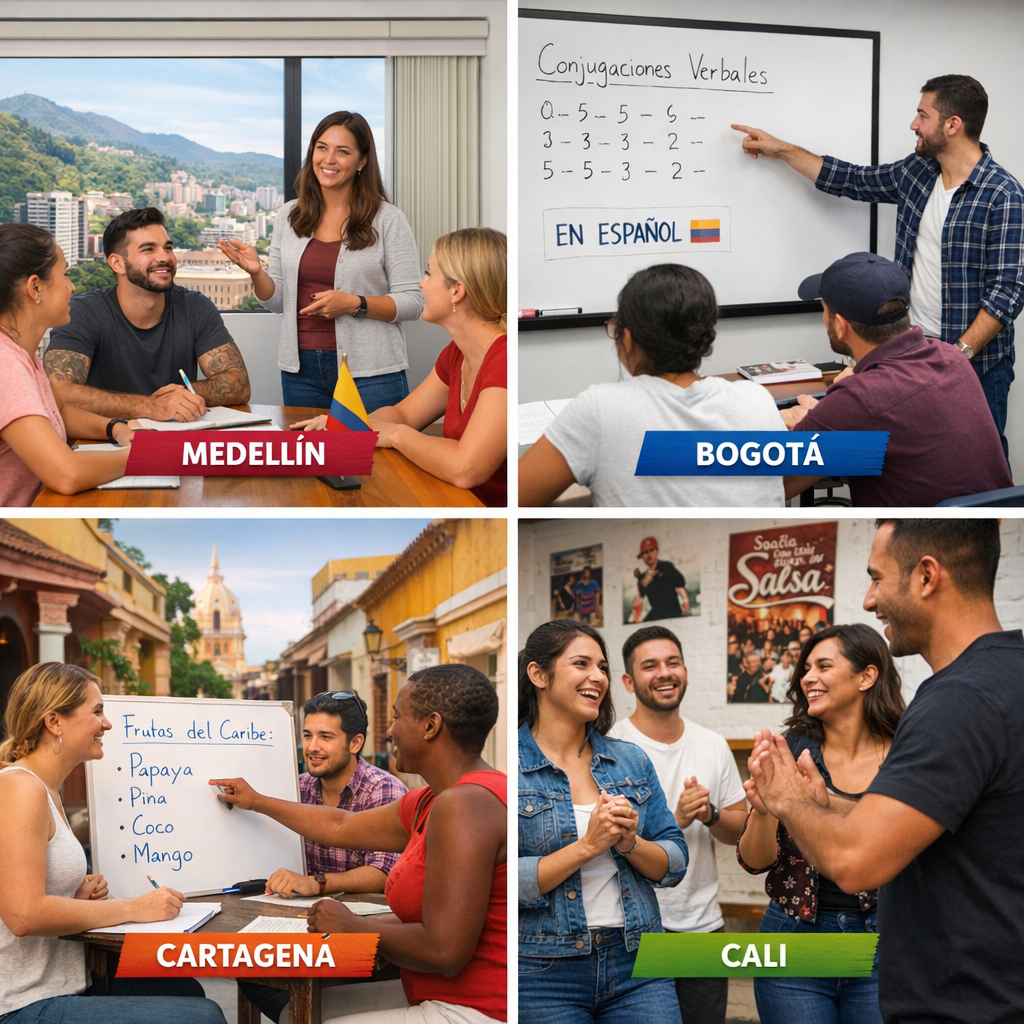
Embarking on the journey to learn Spanish is an exciting endeavor, and choosing the right destination can significantly enhance your experience and accelerate your progress. Colombia, a nation brimming with vibrant culture, breathtaking landscapes, and famously clear Spanish pronunciation, offers an unparalleled setting for language acquisition. This guide is your comprehensive resource to navigating the top Spanish schools across four of Colombia’s most captivating cities: Medellín, Bogotá, Cartagena, and Cali. We will explore what makes each city unique for language learners, highlight reputable schools, and provide insights into cultural immersion opportunities. By the end of this guide, you will be equipped to select the ideal city and school that aligns with your learning goals, budget, and personal preferences, setting you on a path to confident Spanish communication and an unforgettable South American adventure.

Related Topics of Interest for You:



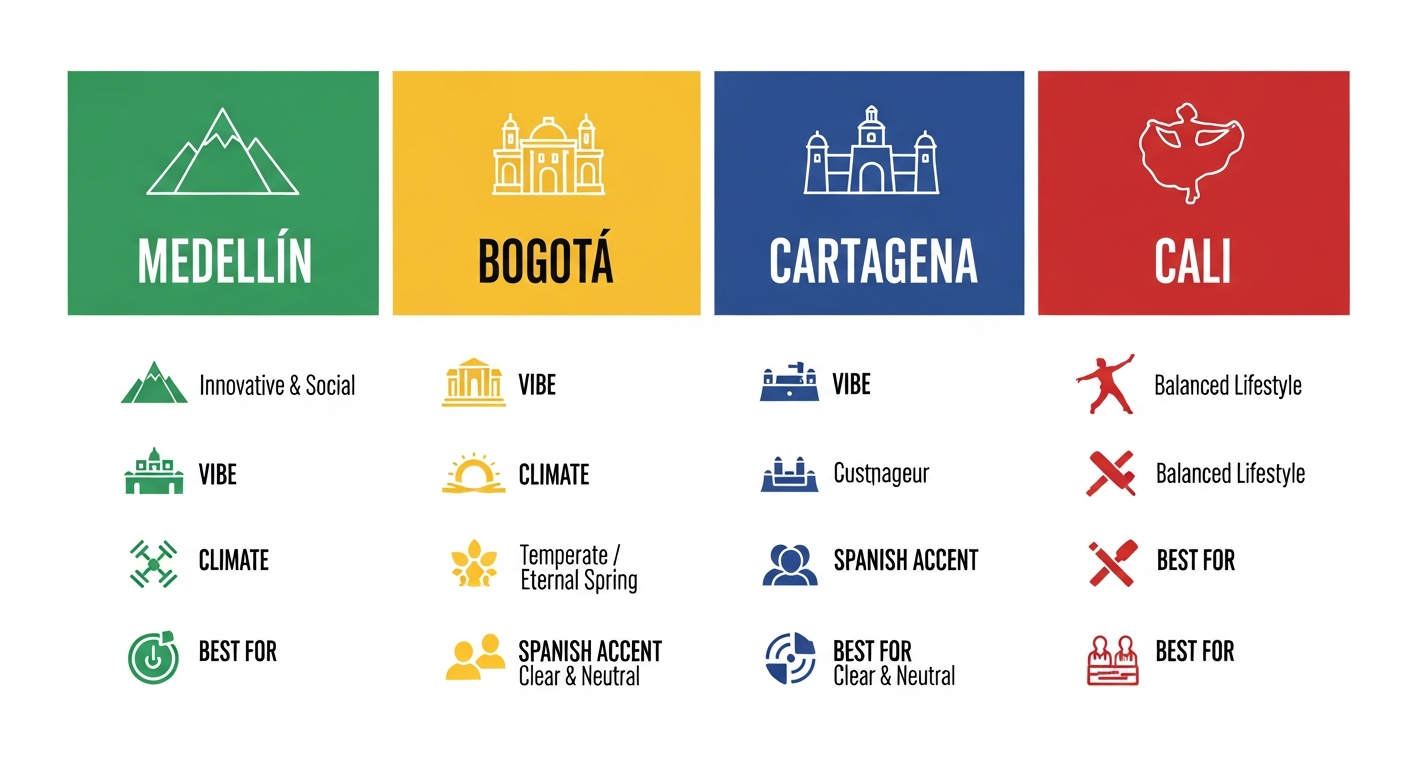
At a Glance: Choosing Your Colombian City for Learning Spanish.
Colombia stands out as a premier destination for learning Spanish, offering a unique blend of linguistic clarity, cultural richness, and diverse experiences. More than 23 million people worldwide study Spanish as a foreign language, a testament to its global importance, and Colombia provides an exceptional environment to join this growing community. The nation’s Spanish, particularly the accent prevalent in the Andean regions like Medellín and Bogotá, is renowned for its clarity and moderate pace, making it one of the easiest dialects for beginners to understand. This linguistic advantage is complemented by the warmth and hospitality of the Colombian people, who are often eager to engage with learners and practice their language skills.
Furthermore, Colombia’s geographical diversity means you can tailor your learning experience to your ideal environment. From the eternal spring of Medellín nestled in the Andes mountains to the historic Caribbean charm of Cartagena and the vibrant energy of the capital, Bogotá, each city offers a distinct cultural immersion. The country welcomed 6.2 million non-resident tourists in 2024, surpassing its initial goal of 6 million, which demonstrates its growing appeal and the welcoming atmosphere for international visitors. This influx of tourism also means that infrastructure for travelers and students is continually improving. Choosing Colombia is not just about learning a language; it’s about immersing yourself in a rich tapestry of history, music, and traditions while benefiting from a linguistic environment that significantly aids effective communication. Colombia serves as an ideal gateway to understanding the broader linguistic and cultural landscape of South America.

Why Learn Spanish in Medellín? The City of Eternal Spring
Medellín, once notorious, has undergone a remarkable transformation into a city celebrated for its innovation, beauty, and welcoming atmosphere. Known as the “City of Eternal Spring” due to its consistently pleasant climate, Medellín offers an ideal environment for students who wish to spend ample time exploring and practicing their Spanish outdoors. The city’s sophisticated public transportation system, including the iconic Metro and Metrocable, makes navigating its various comunas and enjoying its many attractions both accessible and affordable. For those learning Spanish, Medellín provides a unique blend of modernity and tradition, a safe and vibrant urban setting, and a strong sense of community that encourages interaction and language practice.
Medellín’s Unique Appeal for Spanish Learners
The appeal of Medellín for Spanish learners extends beyond its favorable climate. The city’s innovative spirit is reflected in its urban development and the progressive mindset of its residents, known as Paisas. This forward-thinking attitude fosters an environment where learning and cultural exchange are actively encouraged. The Paisa culture is characterized by its friendliness and openness, making it easier for students to strike up conversations and build connections. Neighborhoods like El Poblado, a popular hub for expatriates and tourists, offer a concentration of cafes, restaurants, and co-working spaces that are ideal “locales” for practicing Spanish. Here, one can easily find language exchange partners or simply engage in daily conversations with locals and fellow students.
The city’s integration of nature into its urban fabric, with numerous parks and green spaces, further enhances the learning experience. Taking a ride on the Metrocable, for instance, offers not only breathtaking panoramic views of the city sprawling across the valley formed by the Andes mountains but also provides opportunities for brief, practical communication with fellow passengers and station staff. This unique mode of transport symbolizes Medellín’s transformation and offers a novel perspective for language learners. The emphasis on community and shared experiences, often found in its bustling plazas and markets, creates a constant, natural environment for improving Spanish communication skills.
Top Spanish Schools in Medellín
Medellín boasts several highly-regarded Spanish schools, catering to various learning styles and goals. These institutions are often praised for their effective methodologies, experienced teachers, and immersive extracurricular activities.
One prominent option is Toucan Spanish School. This school is known for its “Learn Local ©” methodology, which focuses on teaching practical, everyday Spanish aligned with the Common European Framework of Reference for Languages (CEFR). They offer a variety of class types, including intensive group courses, private lessons, and specialized classes for couples, ensuring flexibility for every student. Toucan actively organizes immersion activities such as visits to local markets, guided graffiti tours in Comuna 13, and culinary experiences, all designed to facilitate real-world communication. Their teachers are consistently described as passionate, knowledgeable, and patient, providing a supportive learning environment. With a student rating of 4.9 out of 5 from over 350 Google Reviews, Toucan is a top choice for many seeking an authentic learning experience in Medellín, often operating out of the vibrant El Poblado district.
Another highly effective school is BaseLang. BaseLang offers a unique proposition: unlimited private Spanish classes for a fixed weekly price, a model designed for rapid language acquisition. Their “Bootcamp” program is intensive, aiming to achieve fluency in a short period. While they have an in-person school component, their core philosophy is to provide maximum speaking time with native teachers. This approach focuses on practical application and immediate communication. Their pricing structure includes options like “Real World Lite” for more flexibility or “Real World Plus” for full immersion, making their services accessible. BaseLang emphasizes not just language learning but also the positive impact of their operations within the city.
For students seeking a more integrated and budget-friendly experience, Black Sheep Hostel offers a unique combination of accommodation and Spanish education. This option appeals to travelers who want to be constantly surrounded by other learners and a social atmosphere, facilitating continuous language practice. They provide flexible and affordable classes, often with a strong emphasis on conversational Spanish and interaction with both locals and fellow travelers. Their setup naturally encourages students to use their Spanish in a relaxed, social setting.
Across these schools, commonalities include regular class start dates (often every Monday), a strong emphasis on practicing Spanish in real-life situations, and a commitment to employing qualified native teachers. Students consistently report significant improvements in their communication abilities and a deeper understanding of Colombian culture.
Beyond the Classroom: Cultural Immersion in Medellín
Medellín offers a wealth of cultural experiences that serve as invaluable extensions of your Spanish classes. A visit to Comuna 13 is essential. Once a symbol of urban challenges, it’s now a vibrant hub of street art and resilience. Taking a graffiti tour here provides not only a visual feast but also opportunities to interact with local artists, hear their stories, and practice descriptive Spanish. The Parque Poblado in El Poblado is a social epicenter where students can relax, meet people, and engage in informal conversations. It’s a perfect spot to observe local interactions and practice greetings.
Exploring the city via the Metrocable offers more than just scenic views; it’s a chance to practice basic directional phrases and engage in short exchanges with locals. The sheer diversity of the city’s gastronomy also provides daily learning opportunities. Ordering traditional dishes like Bandeja Paisa in local restaurants or navigating the colorful stalls at an open-air market requires active use of your Spanish vocabulary and communication skills. Many cafes and informal “locales” frequented by both students and locals are ideal for striking up conversations and honing your listening comprehension in a relaxed, everyday setting.
Practice Spanish Beyond the Classroom: Intercambio de Idiomas in Medellín
While structured Spanish classes provide the foundation, real fluency develops through consistent conversation. Medellín is widely known for its active intercambio de idiomas (language exchange) community, where foreigners and Colombians meet in organized, welcoming environments to practice languages and build connections.
For expats, remote workers, retirees, and short-term visitors, these events offer more than vocabulary practice. They create a healthy and social setting to expand your network, meet local professionals, and integrate naturally into Colombian culture. Many newcomers find their first friends, business contacts, and community support through these exchanges.
Popular Language Exchange Events in Medellín
- Dulce Jesús Mío – Language Exchange (Provenza / El Poblado)
A long-running weekly intercambio known for structured conversation tables and strong attendance. Instagram: @dulcejesusmio_medellin - Gringo Tuesdays (El Poblado)
One of the most recognized weekly meetups combining social interaction with Spanish practice. Instagram: @gringotuesdays - Parceros Language Exchange (Various venues)
Structured rotation format ideal for learners seeking consistent and balanced conversation practice. Instagram: @parceroslanguageexchange - DanceFree Medellín (Laureles & Poblado)
A cultural blend of dance and social interaction that naturally encourages Spanish conversation in a relaxed environment. Instagram: @dancefreemedellin
Combining formal Spanish classes with intercambio events significantly accelerates language acquisition. Students often report improved listening skills, pronunciation confidence, and faster cultural adaptation.
Planning to Stay Longer While Studying Spanish?
If you enroll in an intensive Spanish program and wish to remain in Colombia beyond the standard tourist stay, you may want to evaluate whether a Colombian Student Visa is appropriate for your situation. Eligibility depends on enrollment hours and the institution’s accreditation.
Need Guidance on the Colombian Student Visa?
Our team at Visas by James can help you understand eligibility requirements, documentation, and application strategy.
🌐 www.colombiavisas.com
🇺🇸 USA: +1-305-767-2766
📱 WhatsApp Colombia: +57-313-390-7109
Note: Event schedules and venues may change. Always confirm details directly through organizers’ social media pages before attending.
Why Learn Spanish in Bogotá? The Vibrant Capital
Bogotá, the high-altitude capital of Colombia, is a sprawling metropolis that pulsates with energy, culture, and a dynamic urban rhythm. As a major South American capital, it offers a unique learning environment characterized by its vastness, diverse population, and an abundance of cultural institutions. For those seeking an immersive experience in a bustling city, Bogotá provides endless opportunities to practice Spanish in a wide array of contexts, from navigating its extensive public transport system to engaging with its rich artistic and historical scenes. The city’s status as a capital means it attracts a diverse mix of people, offering learners a wide spectrum of accents and communication styles to encounter.
Bogotá’s Dynamic Charm for Spanish Students
Bogotá’s charm lies in its multifaceted identity. It’s a city of contrasts, where colonial architecture in La Candelaria sits alongside modern skyscrapers, and where world-class museums coexist with lively street art scenes. This diversity translates into a rich environment for language learners. The Gold Museum (Museo del Oro) and the Botero Museum, featuring the works of Colombia’s most famous artist, Fernando Botero, are must-visit cultural landmarks where engaging with guides and fellow visitors can enhance language skills. The historic heart of the city, La Candelaria, is a labyrinth of cobblestone streets, colorful buildings, and hidden plazas, perfect for spontaneous conversations with shopkeepers, cafe owners, and locals.
The culinary landscape in Bogotá is equally diverse, ranging from traditional Colombian eateries serving ajiaco (a hearty chicken soup) to an international array of fine dining and casual cafes. Exploring these gastronomic “locales” provides constant opportunities for practical communication. Bogotá welcomed 1.8 million foreign tourists in 2024, a 35.1% increase from 2023, indicating a lively and welcoming environment for international visitors eager to experience Colombian culture and interact with its people. This surge in tourism suggests abundant opportunities for language practice in various settings.
Top Spanish Schools in Bogotá
While perhaps less documented in some comparative guides than Medellín, Bogotá hosts excellent Spanish schools that cater to a demanding academic environment and a diverse student body. These schools often leverage the city’s cultural offerings as part of their immersive programs.
Centro de Lenguas de la Universidad Nacional (National University Language Center) offers academically rigorous Spanish programs, often benefiting from university resources and a diverse student population. These programs typically adhere to structured curricula, focusing on grammar, vocabulary, and communicative competence.
Nueva Lengua is another well-regarded institution with a presence in Bogotá. They emphasize immersive learning through a combination of classroom instruction and cultural activities, connecting students with the local Colombian experience. Their programs are designed to foster quick communication development, integrating Spanish lessons with city exploration.
SENA (Servicio Nacional de Aprendizaje), a public vocational training institution, sometimes offers free or low-cost Spanish courses for foreigners, providing a very accessible option for dedicated learners. While the format might be more basic, it’s an authentic experience in a public educational setting.
These schools, like their counterparts in other cities, employ qualified native teachers who understand the nuances of teaching Spanish as a foreign language. They often organize guided tours, cooking classes, and visits to local markets, ensuring that learning extends beyond the classroom walls and into the vibrant cityscape of Bogotá.
Beyond the Classroom: Cultural Immersion in Bogotá
Bogotá offers unique immersion opportunities that can significantly boost Spanish learning. A trip up Monserrate, the iconic mountain overlooking the city, whether by funicular, cable car, or hiking trail, presents chances to practice asking for directions, discussing the views, and interacting with vendors. The Usaquén Flea Market, held every Sunday, is a fantastic place to practice bargaining and engaging in casual conversation with artisans and food vendors.
Exploring the historical center of La Candelaria involves wandering through its art-filled alleys and vibrant plazas, where impromptu conversations with street performers, shopkeepers, and residents are common. Many cafes and restaurants in this area are excellent “locales” for practicing conversational Spanish. Day trips to nearby attractions, such as the Zipaquirá Salt Cathedral, offer further opportunities to engage with tour guides and other visitors, expanding your Spanish practice into different contexts and discussions.
Why Learn Spanish in Cartagena? The Caribbean Jewel
Cartagena, a UNESCO World Heritage Site, captivates with its vibrant colonial architecture, sun-drenched Caribbean coast, and lively atmosphere. This jewel of Colombia offers a unique learning experience, where the rhythm of the tropics infuses daily life and language practice. The city’s historical walled city, with its charming plazas and colorful balconies, provides a picturesque backdrop for language immersion, while its proximity to stunning islands and beaches offers relaxation and further opportunities for casual interaction. For students drawn to a warm climate and a spirited culture, Cartagena is an irresistible choice for learning Spanish.
Cartagena’s Allure for Language Learners
The allure of Cartagena for Spanish learners is undeniable, blending historical charm with a laid-back Caribbean vibe. The Spanish spoken here, while still understandable, can sometimes be perceived as having a slightly more relaxed pace and distinct regional intonations compared to the Andean accents, which some learners find easier to process initially. The city is a major tourism hub, meaning there are constant opportunities to interact with a diverse range of people, including locals, other students, and international visitors, all of whom can serve as practice partners.
The vibrant atmosphere of neighborhoods like Getsemaní, known for its street art and lively plazas, provides a constant stream of social interaction. Exploring the narrow streets within the city‘s historic walled sector, engaging with shopkeepers selling local crafts, or interacting with street vendors selling fresh fruit or arepas are daily exercises in practical communication. The numerous beachfront cafes and restaurants in areas like Bocagrande are perfect “locales” for practicing ordering food, discussing plans, and engaging in relaxed conversation. Hotels in Cartagena achieved an average occupancy rate of 73% between January 1 and December 15, 2024, up 2% from 2023, indicating a thriving tourism sector and a bustling environment for international visitors.
Top Spanish Schools in Cartagena
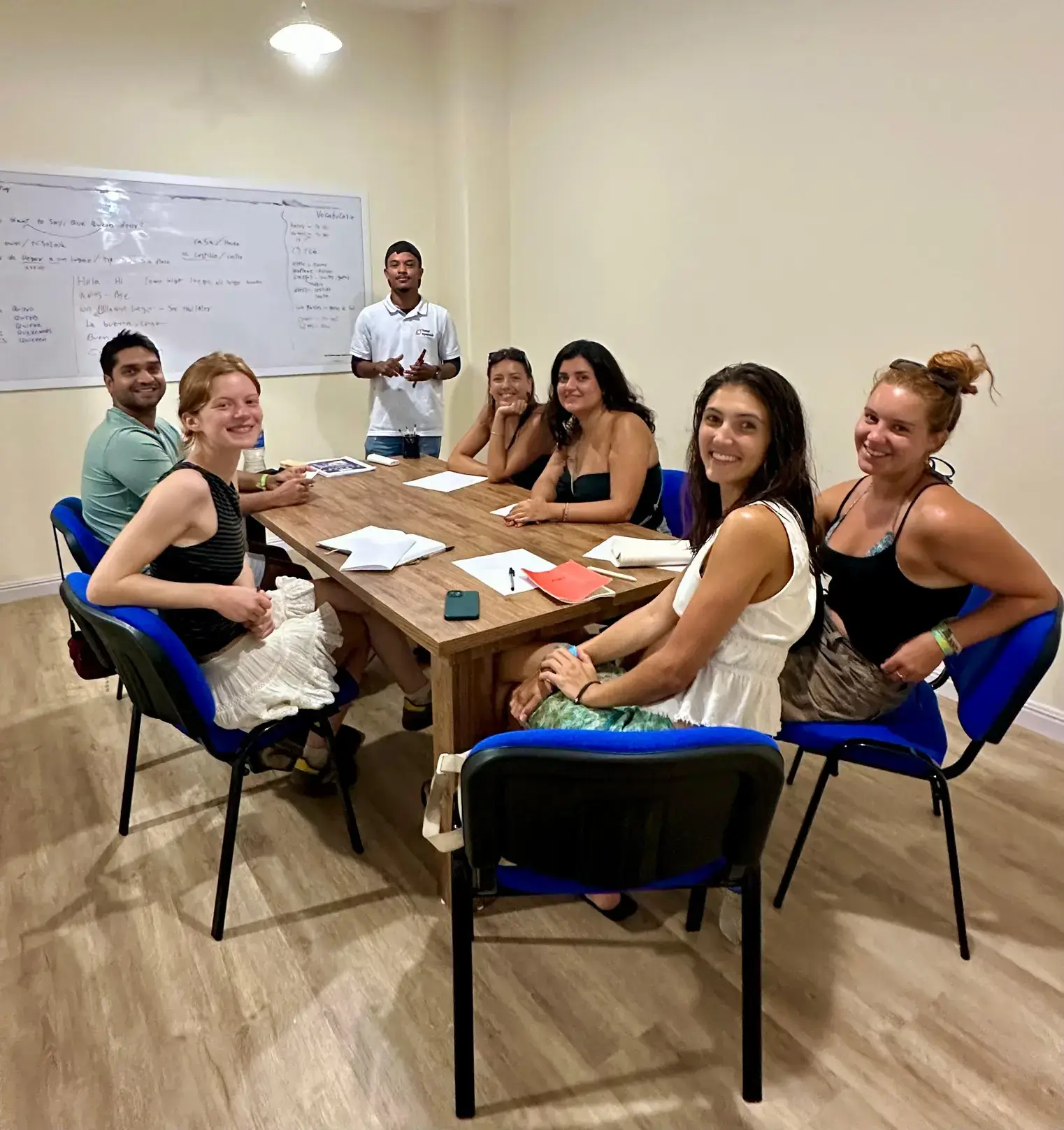
Cartagena offers Spanish schools that are deeply integrated into its unique cultural and historical setting. These schools often emphasize the vibrant local lifestyle in their curriculum and activities.
Global Connection is frequently cited as a premier Spanish school in Cartagena. They offer intensive courses and focus on immersive learning, utilizing the city’s rich heritage as a living classroom. Their programs often include cultural excursions and social events designed to maximize student interaction with both the language and the local culture.
Learn Cartagena Spanish School is another reputable option, known for its small class sizes and personalized attention. They prioritize conversational fluency and aim to provide students with the confidence to communicate effectively in everyday situations. Their location within or near the historic center facilitates easy access to cultural sites and practice opportunities.
Habla Ya Spanish School (though primarily known for its Panama locations, it’s worth noting for its reputation) is a school chain with high standards that may have a presence or partnerships in Cartagena, offering a consistent quality of education. They are known for their communicative approach and experienced teachers.
Regardless of the specific institution chosen, students in Cartagena can expect a focus on practical Spanish, with classes often incorporating excursions to historical sites, island trips, and opportunities to engage with the local community. The emphasis is on learning by doing, surrounded by the captivating ambiance of the Caribbean coast.
Beyond the Classroom: Cultural Immersion in Cartagena
Immersion in Cartagena goes hand-in-hand with its rich history and coastal lifestyle. Exploring the Walled City itself is a continuous learning experience, from practicing greetings with doormen to engaging in bargaining with merchants in the artisan shops. The vibrant Getsemaní neighborhood offers a more bohemian experience, with its colorful street art, bustling plazas like Plaza de la Trinidad, and numerous cafes and street food vendors that are perfect “locales” for practicing conversational Spanish.
Spending time at the Bocagrande beaches or taking boat trips to nearby islands like the Rosario Islands provides a relaxed setting for informal conversations and practicing descriptions of scenery or activities. Interacting with boat captains, beach vendors, and fellow travelers can all contribute to your language progress. Learning about Cartagena’s history, its role in colonial times, and its Afro-Caribbean influences through local museums and guided tours will not only deepen your understanding but also provide context for discussions and vocabulary development.
Why Learn Spanish in Cali? The World Salsa Capital
Cali, affectionately known as the World Salsa Capital, offers a unique and energetic environment for learning Spanish. This dynamic city in southwestern Colombia is renowned for its infectious rhythm, vibrant nightlife, and the unparalleled warmth of its people, the Caleños. For students who thrive on music, dance, and a lively social scene, Cali presents an exceptional opportunity to immerse themselves in the language and culture. The city’s reputation for friendliness and its deep-rooted connection to salsa music and dance create a joyful and engaging atmosphere conducive to rapid language acquisition and cultural appreciation.
Cali’s Energetic Vibe for Spanish Language Studies
The energetic vibe of Cali is intrinsically linked to its musical soul. Learning Spanish here means more than just grammar and vocabulary; it involves embracing the rhythm and cadence of Caleño Spanish, which is often described as melodic and expressive. The ubiquitous presence of salsa music in public spaces, clubs, and dance schools provides a constant, immersive soundtrack to your language studies. Participating in salsa classes is not just about learning dance steps; it’s a powerful tool for language acquisition. Instructors use clear instructions, often repetitive, which aids listening comprehension. Interacting with fellow students and instructors in a dance setting naturally encourages conversation, build camaraderie, and provides practice with common social phrases and enthusiastic exclamations.
Beyond salsa, Cali offers a more relaxed pace of life compared to Bogotá, yet it remains a bustling city with much to explore. The Caleños are known for their hospitality and are often enthusiastic about sharing their culture with visitors, making it easier to initiate conversations and practice Spanish in everyday situations, whether at a local market or a casual gathering. The city’s numerous parks and riverfront promenades, like those around El Gato del Río (The Cat of the River), serve as pleasant “locales” for casual encounters and relaxed practice.
Top Spanish Schools in Cali
Cali offers a selection of Spanish schools that effectively integrate the city’s vibrant culture into their educational approach.
Toucan Spanish School also has a campus in Cali, situated conveniently opposite Parque San Antonio. Similar to their Medellín counterpart, they offer group and private classes, focusing on practical communication skills and cultural immersion. Their curriculum is designed to help students quickly gain confidence in speaking Spanish, often incorporating local excursions and activities.
Escuela de Español Interlingua is another well-regarded institution in Cali, known for its experienced teachers and structured learning environment. They provide comprehensive Spanish courses tailored to different levels, from beginner to advanced. Their focus is on building strong foundations in grammar and vocabulary while emphasizing conversational fluency.
Universidad del Valle (University of Valle) may also offer Spanish programs for foreigners, providing a more academic and integrated university experience. These programs typically involve certified instructors and a curriculum that covers various aspects of the Spanish language and Colombian culture.
These schools, while varying in their specific methodologies, all share a commitment to providing effective learning Spanish experiences, often enhanced by Cali’s unique cultural offerings. Students can expect to find dedicated teachers who facilitate communication and encourage exploration of the city’s rich social fabric.
Beyond the Classroom: Cultural Immersion in Cali
Immersion in Cali revolves significantly around its musical and social heart. Salsa classes are paramount, serving as a direct pathway to enhanced listening skills, improved rhythm in speech, and dynamic social interaction. Beyond dancing, exploring the El Gato del Río sculpture and park provides a relaxed public space for observation and casual chats. Visiting the bustling local markets, such as Mercado de la 14, offers a sensory overload and ample opportunities to practice transactional Spanish with vendors.
Taking day trips to nearby attractions like Hacienda El Paraíso, a historical estate made famous by Colombian literature, or exploring the verdant hills surrounding the city provides different contexts for language practice. Even simply visiting local cafes and listening to the distinct Caleño accent can significantly aid comprehension. Cali’s nightlife, often centered around salsotecas (salsa clubs), offers a vibrant, albeit sometimes noisy, environment for experiencing the local culture and practicing Spanish in a celebratory atmosphere.
Choosing the Right City and School for You
Selecting the ideal Spanish learning destination in Colombia involves considering your personal learning style, interests, budget, and desired cultural experience. Each of the four featured cities—Medellín, Bogotá, Cartagena, and Cali—offers a distinct environment, and the “best” choice is subjective and deeply personal. What one student finds ideal, another might find less suited to their needs. Therefore, a thoughtful comparison is crucial for making an informed decision that will maximize your learning journey.
Factors to Consider When Making Your Decision
When choosing a city and a Spanish school, several factors are paramount. Your learning style is a key consideration; do you prefer a bustling metropolis, a colonial coastal city, a mountain valley, or a city synonymous with dance? Your budget will also play a role, as living costs and school fees can vary. Interests are critical—are you drawn to history, nature, nightlife, or specific cultural activities like salsa? The desired accent clarity can also be a factor; while all Colombian Spanish is relatively clear, the Andean accents of Medellín and Bogotá are often cited as particularly easy for learners. Finally, the pace of life in each city can influence your daily experience and study routine.
City-by-City Comparison for Language Learners
- Medellín: Known for its “eternal spring” climate, innovation, and friendly Paisa culture. Ideal for learners who appreciate a modern yet green city with excellent public transport (including the Cable car), offering accessible locales for practice. Its Andes mountain setting provides a beautiful backdrop. Schools like Toucan and BaseLang are prominent.
- Bogotá: The vibrant capital offers a rich cultural tapestry, numerous museums, and a fast-paced urban environment. Ideal for those who enjoy a cosmopolitan city experience, diverse dining, and a wide range of social and cultural activities. It’s a hub for international communication and offers extensive learning opportunities. Bogotá welcomed 1.8 million foreign tourists in 2024, indicating a dynamic environment for learners.
- Cartagena: A historical gem on the Caribbean coast, offering a blend of colonial charm, tropical climate, and a lively atmosphere. Perfect for learners who love history, beaches, and a more relaxed, albeit bustling, coastal city vibe. The Spanish here can be a touch more regional, but the constant interaction with diverse people offers ample practice. Hotels in Cartagena achieved an average occupancy rate of 73% in 2024, highlighting its popularity.
- Cali: The World Salsa Capital provides an unparalleled experience for those who love music and dance. Its energetic salsa scene offers a unique avenue for learning Spanish through rhythmic instruction and social interaction. The city is known for its exceptionally friendly Caleños and a vibrant, music-infused culture.
Each city has schools with highly qualified teachers and varied classes, ensuring that your learning Spanish journey will be effective and engaging, no matter your choice.
Maximizing Your Spanish Immersion Experience in Colombia
Embarking on a Spanish language journey in Colombia is more than just attending classes; it’s an opportunity for profound cultural immersion and accelerated language acquisition. To truly make the most of your experience, you must actively engage with the environment and leverage all available resources to enhance your communication skills. The success of your learning Spanish endeavor hinges on your proactive participation both inside and outside the classroom.
Embrace Local Culture and Communication
The most effective way to accelerate your Spanish learning is to immerse yourself fully in the local culture. Make a conscious effort to speak Spanish at every opportunity, whether ordering coffee, asking for directions, or making small talk with locals. Seek out “locales” where Colombians gather—parks, local cafes, community centers—and try to initiate conversations. Participating in local events, festivals, or even just observing daily life in markets provides invaluable context and practice. Remember that Colombians are generally very friendly and patient with language learners, so don’t hesitate to practice, even if you make mistakes. Embracing this proactive approach to communication is key to unlocking fluency.
Leverage Technology and Supplementary Resources
While classroom instruction is fundamental, technology can be a powerful ally in your language learning journey. Utilize language learning apps like Duolingo or Memrise for vocabulary building and grammar reinforcement. Use online dictionaries and translation tools judiciously to look up unfamiliar words or phrases encountered in daily conversations. Consider language exchange platforms where you can connect with native Spanish speakers for virtual practice sessions. Many Spanish schools also offer supplementary materials or online resources that can aid your studies. Integrating these tools can supplement your formal classes and provide flexible learning opportunities.
Setting Realistic Goals for Language Acquisition
Effective language learning involves setting clear, achievable goals. Before you begin, define what you hope to accomplish during your time in Colombia. Do you aim to achieve conversational fluency, master specific grammatical structures, or be able to navigate daily life with ease? Break down larger goals into smaller, manageable milestones, such as learning 50 new vocabulary words per week or holding a five-minute conversation entirely in Spanish. Regularly assess your progress and adjust your learning strategies as needed. Celebrate your achievements, no matter how small, as this positive reinforcement can be highly motivating. Remember that consistent practice and a structured approach are vital for steady progress in learning Spanish.
Practical Tips for Your Trip to Colombia
Planning a trip to learn Spanish in Colombia involves more than just booking classes. To ensure a smooth and enjoyable experience, consider practical aspects like accommodation, transportation, safety, and connectivity. Being well-prepared will allow you to focus more on your learning Spanish goals and cultural immersion.
Accommodation and Transportation
When it comes to accommodation, Spanish schools often provide options such as homestays, which offer excellent opportunities for daily communication and cultural immersion with a local family. Hostels are a more social and budget-friendly choice, popular among younger travelers and those seeking to meet fellow students. Renting an apartment or room can provide more independence. Regarding transportation, Medellín’s Metro and Cable car system is efficient and affordable for navigating the city. In other cities like Bogotá, taxi services and ride-sharing apps are common, though it’s wise to use reputable services for safety. Buses are generally the most economical way to travel between cities, though flights can save significant time for longer distances.
Safety and Connectivity
Colombia is a popular destination, and like any country, it requires a degree of awareness regarding safety. It’s advisable to research safety tips specific to the cities you plan to visit. Generally, avoiding displaying excessive wealth, being mindful of your surroundings, and sticking to well-lit and populated areas, especially at night, are good practices. Most Spanish schools offer guidance on local safety. For connectivity, purchasing a local SIM card upon arrival is a cost-effective way to stay connected for calls, texts, and data, enabling you to use navigation apps and stay in touch. Wi-Fi is widely available in schools, cafes, and accommodations.
Planning Your Schedule
Balancing your Spanish classes with exploring the city and cultural activities is crucial for a well-rounded experience. Most intensive classes require several hours of study per day. Plan your schedule to include time for homework, but also for excursions, social events, and personal exploration. Attending school-organized activities is highly recommended, as they are designed to enhance your immersion. Don’t overschedule yourself; allow for downtime and spontaneous discoveries. A well-planned yet flexible schedule will help you make the most of your time in Colombia, ensuring both academic progress and unforgettable cultural experiences.
What’s Next?
This guide has provided a comprehensive overview of learning Spanish in four of Colombia’s most captivating cities: Medellín, Bogotá, Cartagena, and Cali. We’ve explored the unique appeal of each locale for language learners, highlighted top Spanish schools and their teaching methodologies, and detailed the rich cultural immersion opportunities available beyond the classroom. You’ve learned why Colombia is a premier destination for acquiring Spanish, thanks to its clear accent, vibrant culture, and welcoming people. We’ve also covered practical considerations for planning your trip, from accommodation and transportation to safety and scheduling.
Your next step is to reflect on your personal learning goals, preferences, and budget. Consider which city’s atmosphere and cultural offerings most resonate with you. Research the specific schools mentioned, and perhaps look for others in your chosen city, to compare curricula, class schedules, and student reviews. Think about the type of accommodation that best suits your learning style—whether it’s a homestay for maximum immersion or a hostel for a social experience.
By now, you should feel well-equipped to make an informed decision about your Spanish learning adventure. Remember that the most successful language learners are those who are proactive, embrace challenges, and actively engage with the culture and people around them. Colombia offers an incredible platform for achieving fluency and experiencing the best of South America. Your journey to mastering Spanish is about to begin, and this guide has laid the foundation for a successful and enriching experience.

What Clients Say About Working With Us
Real feedback from clients who have worked with our team on Colombian visa and legal processes.
Client feedback is sourced from publicly available third-party review platforms. Individual results may vary.
“I worked with Visas by James Medellín and had an excellent experience. Once I was connected with Isabela, I felt confident I was on the right path to obtaining my visa.”
— Mathew Sickler
“The Visas by James team helped significantly with my U.S. visa, and the process went much smoother than expected. They were knowledgeable and helpful throughout.”
— Mohan Chander Narasimman
“Visas by James is the company to use for visa services. My experience was excellent, and Lorena was absolutely amazing to work with.”
— Benjamin
“The team was responsive and professional. They provided clear guidance and helped me understand the visa process from beginning to end.”
— Robert Nepon
“Very professional service. All steps were clearly explained, and they helped me avoid mistakes that could have delayed my visa.”
— Reynaldo Araujo
“Overall, a positive experience. Communication was good, and the process was explained in a way that made sense for a foreigner.”
— Justin Halladay
Important Legal Disclaimer
The information on this page is provided for general informational purposes only and does not constitute legal advice, immigration advice, or a guarantee of any specific visa outcome.
Colombian visa requirements, procedures, government fees, and internal criteria change frequently and may vary depending on your personal situation and the policies in force at the time of your application.
Always consult a qualified professional to receive advice tailored to your individual case. Reading this website does not create an attorney–client relationship with Colombia Legal & Associates SAS, Visas by James, or any member of our team.