
Top Dance Schools for Foreigners in Colombia: Medellin, Cali, Cartagena & Bogota
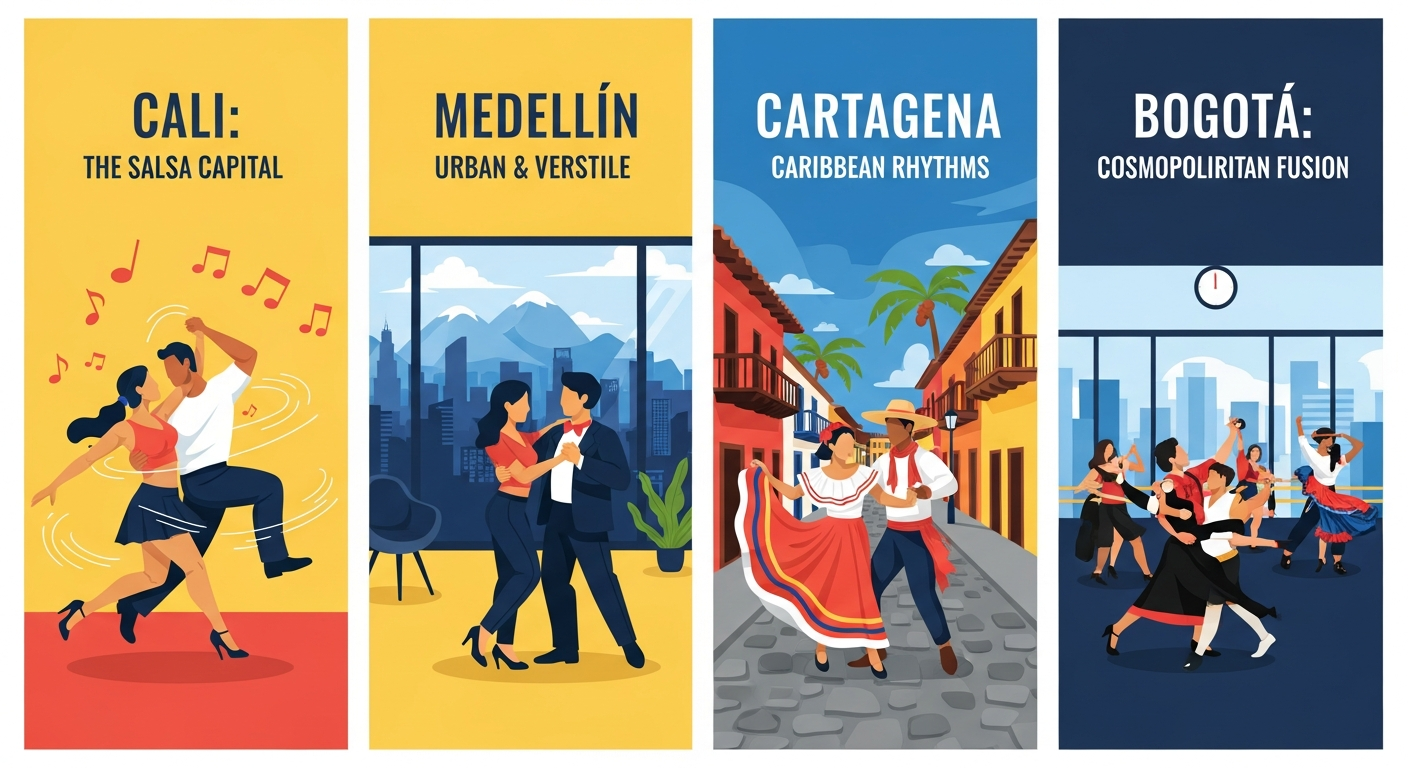
Each of Colombia’s major cities offers a unique dance identity, from Cali’s world-famous Salsa to Cartagena’s coastal rhythms and Bogotá’s diverse fusion.
Colombia pulses with a rhythm that captivates the soul, a vibrant energy expressed most profoundly through its diverse dance forms. For foreigners seeking more than just a vacation, the country offers an unparalleled opportunity for cultural immersion, personal growth, and pure, unadulterated joy through dance. This guide is your essential roadmap to navigating Colombia’s dynamic dance scene, focusing on the premier destinations of Medellín, Cali, Cartagena, and Bogotá. You’ll discover why Colombia is a magnet for dancers worldwide, learn what to expect from its rich dance landscapes, and receive detailed insights into the top dance schools and cultural experiences in each city.
We will equip you with practical advice for choosing the right classes, understanding different program structures, and integrating into local dance communities. Whether you are a complete beginner eager to learn your first salsa steps or an experienced dancer looking to refine your technique, this guide will help you craft a personalized dance journey. By the end of this article, you will possess the knowledge to confidently select a dance school, understand the unique offerings of each major city, and embark on an unforgettable rhythmic adventure that will leave you with lasting memories and a deeper connection to Colombian culture. Get ready to move, connect, and truly enjoy your Colombian dance experience.

Related Topics of Interest for You:


Why Dance in Colombia? Cultural Immersion and Vibrant Scenes
Colombia’s allure as a dance destination stems from a deeply ingrained cultural appreciation for movement and music. Dance isn’t merely an art form here; it’s a fundamental aspect of social interaction, celebration, and daily life. This vibrant national passion translates into an infectious energy that draws thousands of foreigners each year. The country welcomed a record 6.2 million non-resident tourists in 2024, highlighting its growing appeal as a travel hotspot. Among international tourists in Bogotá, a significant 58% primarily visit for vacations, recreation, and leisure, underscoring the demand for engaging, activity-based travel experiences like dance.
Furthermore, Colombia has emerged as a top destination for those seeking extended cultural immersion, being crowned the top Latin American destination for digital nomad visas for Canadian and US citizens in 2024. This influx of individuals looking for longer stays creates a fertile ground for dedicated dance education and community building. Tourism contributes significantly to Colombia’s economy, generating over 40 billion COP in 2024, and cultural experiences like dance are central to this thriving sector. For foreigners, learning to dance in Colombia offers a unique window into the local way of life, fostering genuine connections and providing authentic cultural experiences that transcend typical tourism. It’s an opportunity to not only learn steps but to understand the heart and soul of a nation that moves to its own infectious beat.
What to Expect: A Guide to Colombia’s Diverse Dance Landscapes
Colombia’s dance scene is a rich tapestry woven from regional influences and a universally joyful spirit. While salsa is king, the country offers a spectrum of styles, each with its unique character and appeal. Expect an environment where dance is celebrated openly, often spontaneously erupting in public spaces and social gatherings. Foreigners will find a welcoming atmosphere, though a basic grasp of Spanish can significantly enhance the learning experience and social interactions.
The intensity and style of dance vary by city. Medellín offers a dynamic, modern scene with a strong emphasis on salsa and bachata, alongside emerging interest in Kizomba and Zouk. Cali, the undisputed salsa capital, immerses you in the fast-paced, intricate Caleño style, demanding dedication and practice. Cartagena pulsates with Caribbean rhythms like champeta and lively salsa, infused with a relaxed, tropical vibe. Bogotá, the nation’s capital, presents a more eclectic mix, hosting studios for salsa, tango, bachata, and various international styles, reflecting its status as a cultural melting pot.
Across these cities, you can anticipate a range of dance classes, from group sessions ideal for beginners to intensive private lessons for more advanced dancers. Social dance nights, known as salsatecas or discotecas, are integral to the experience, providing opportunities to practice, meet locals, and enjoy the vibrant nightlife. While formal instruction comes with a fee, many social events or introductory sessions might be low-cost or even free, especially during specific times or through community initiatives. Understanding these nuances will help you tailor your journey to maximize your learning and enjoyment.
Medellin: The Dynamic Hub for Salsa and Beyond
Medellín, the “City of Eternal Spring,” has rapidly evolved into a global hub for expatriates, digital nomads, and dance enthusiasts alike. Its infectious energy, coupled with a burgeoning infrastructure that caters to foreigners, makes it an ideal location to dive deep into the Colombian dance scene. The city offers a diverse range of salsa and bachata schools, vibrant nightlife, and a generally welcoming atmosphere that encourages exploration and learning. For those staying in popular areas like El Poblado, proximity to many of these dance experiences is a significant advantage.
The Pulse of Medellin’s Dance Scene for Foreigners
Medellín’s dance scene is characterized by its dynamism and accessibility. The city boasts a robust salsa and bachata culture, with a strong presence of both local and international dancers. You’ll find a modern approach to teaching, often incorporating Spanish and English, making it easier for foreigners to follow along. Beyond the dominant styles, there’s a growing interest in Kizomba, Zouk, and even Reggaeton, catering to a wider range of tastes. The environment is generally very social, and it’s common to find yourself dancing with locals and fellow foreigners in various events and venues.
A significant draw for foreigners is the Poblado neighborhood, known for its numerous hostels, apartments, and proximity to dance studios and nightlife. This concentration of amenities allows for a seamless integration into the dance community. Many schools and instructors actively engage with the expat community, offering tailored programs and fostering a sense of belonging. The overall vibe is one of enthusiasm and continuous learning; there’s always a new class, a social night, or a dance festival to enjoy. The city’s progressive attitude makes it an open and exciting place to embark on your dance journey, offering a genuine taste of Colombian life through movement.
Top Dance Schools and Academies for Foreigners in Medellin
Medellín is replete with excellent dance schools, many of which are foreigner-friendly and offer comprehensive programs. These institutions provide structured learning environments designed to take students from novice to proficient levels. For many, the initial draw might be a free introductory salsa class or a package deal that includes classes and accommodations.
One highly recommended option is DanceFree Medellin, a school consistently praised for its welcoming approach to foreigners. They offer a variety of classes, including salsa and bachata, with instructors adept at communicating in English. Their programs are often designed for immersive experiences, focusing on both technique and social dancing. Another notable establishment is La Tienda, known for its energetic atmosphere and skilled instructors who can guide beginners through the intricacies of Colombian salsa. For those looking for a more formal academy setting, institutions like Salsa Viva Academia de Baile provide a solid curriculum, often with options for private lessons that allow for personalized feedback and faster progress. Many schools are conveniently located in or near Poblado, simplifying logistics for foreigners seeking to enjoy their dance classes. When choosing, consider schools that offer flexible scheduling, bilingual instructors, and a focus on social dance integration, ensuring your learning journey is both effective and enjoyable.
Beyond Salsa: Exploring Bachata, Kizomba, Zouk, and Reggaeton in Medellin
While salsa is undeniably a cornerstone of Medellín’s dance scene, the city offers a vibrant landscape for other popular styles that foreigners can enjoy. Bachata, with its sensual hip movements and close embrace, has gained immense popularity, and most salsa schools also offer dedicated bachata classes. Instructors often draw from both Dominican and sensual styles, providing a well-rounded understanding.
Kizomba and Zouk are also making significant inroads in Medellín. These Afro-Latin dances, characterized by their close connection, fluid movements, and improvisational nature, attract a dedicated following. You’ll find specialized workshops and regular social nights dedicated to these styles, often promoted through event listings on local dance community pages and social media groups. These scenes are typically very inclusive, with instructors often offering guidance in English to newcomers.
Reggaeton, the energetic urban genre, is also a significant part of Colombia’s musical identity. While not always taught in traditional dance studios, many instructors offer Reggaeton-focused workshops or incorporate its rhythmic elements into other classes. These styles offer a fantastic opportunity to diversify your dance repertoire and experience different facets of Latin American music and movement. Exploring these genres allows for a richer, more varied dance journey in Medellín, ensuring there’s always something new to learn and enjoy.
Social Dance Nights and Nightlife: Where to Practice and Connect
The true spirit of dance in Medellín comes alive during its social dance nights, affectionately known as salsatecas or simply discotecas. These venues are where locals and foreigners alike gather to practice their skills, meet new people, and enjoy the pulsating rhythms of Colombian music. For foreigners, these nights are invaluable for putting classroom learning into practice and immersing themselves in the local culture.
Popular spots like Son Havana offer a traditional salsa experience, often featuring live music and a lively crowd. El Tibiri is another institution, known for its classic salsa vibe. For bachata enthusiasts, venues like Troxy often feature dedicated nights or sections for this popular style. Many of these places are located in or easily accessible from areas frequented by foreigners, such as Poblado.
It’s common for instructors and students from various dance classes to converge at these social events, providing a great opportunity to connect with the dance community. Don’t be shy about asking someone to dance; it’s a fundamental part of the culture. Many venues have a friendly, unpretentious atmosphere, making it easy for beginners to feel comfortable. Attending these social nights is not just about dancing; it’s about experiencing the vibrant social fabric of Medellín and truly enjoying the fruits of your dance classes. Keep an eye out for event listings and community groups, as they often announce special nights or themed parties that add an extra layer of excitement.
Practical Tips for Foreigners Dancing in Medellin
Navigating Medellín’s dance scene as a foreigner is a rewarding experience, but a few practical tips can enhance your journey. Firstly, while many schools offer free introductory classes or have instructors fluent in English, embracing basic Spanish phrases will significantly enrich your interactions. Simple greetings, asking for dance steps, or ordering drinks become much easier.
Regarding accommodations, Poblado remains a popular choice for its safety, amenities, and proximity to many dance schools and social venues. However, exploring nearby neighborhoods can sometimes offer more affordable options while still being conveniently located. Transportation within the city is efficient, with the Metro system being safe and easy to use. For late-night travel after dance events, using reputable taxi services or ride-sharing apps is recommended.
When attending social dances, dress comfortably but smart-casual is generally acceptable. Most importantly, be open to dancing with everyone – locals, other foreigners, beginners, and experienced dancers. It’s all part of the learning experience. Don’t be discouraged if you feel you’re not progressing fast enough; consistency is key. Many schools offer packages that include classes and sometimes even accommodations, which can simplify logistics. Finally, always be aware of your surroundings, especially when carrying valuables, though Medellín is generally safe for tourists who exercise common sense. The key is to relax, enjoy the process, and embrace the vibrant rhythm of the city.


Cali: The World’s Salsa Capital for Authentic Immersion
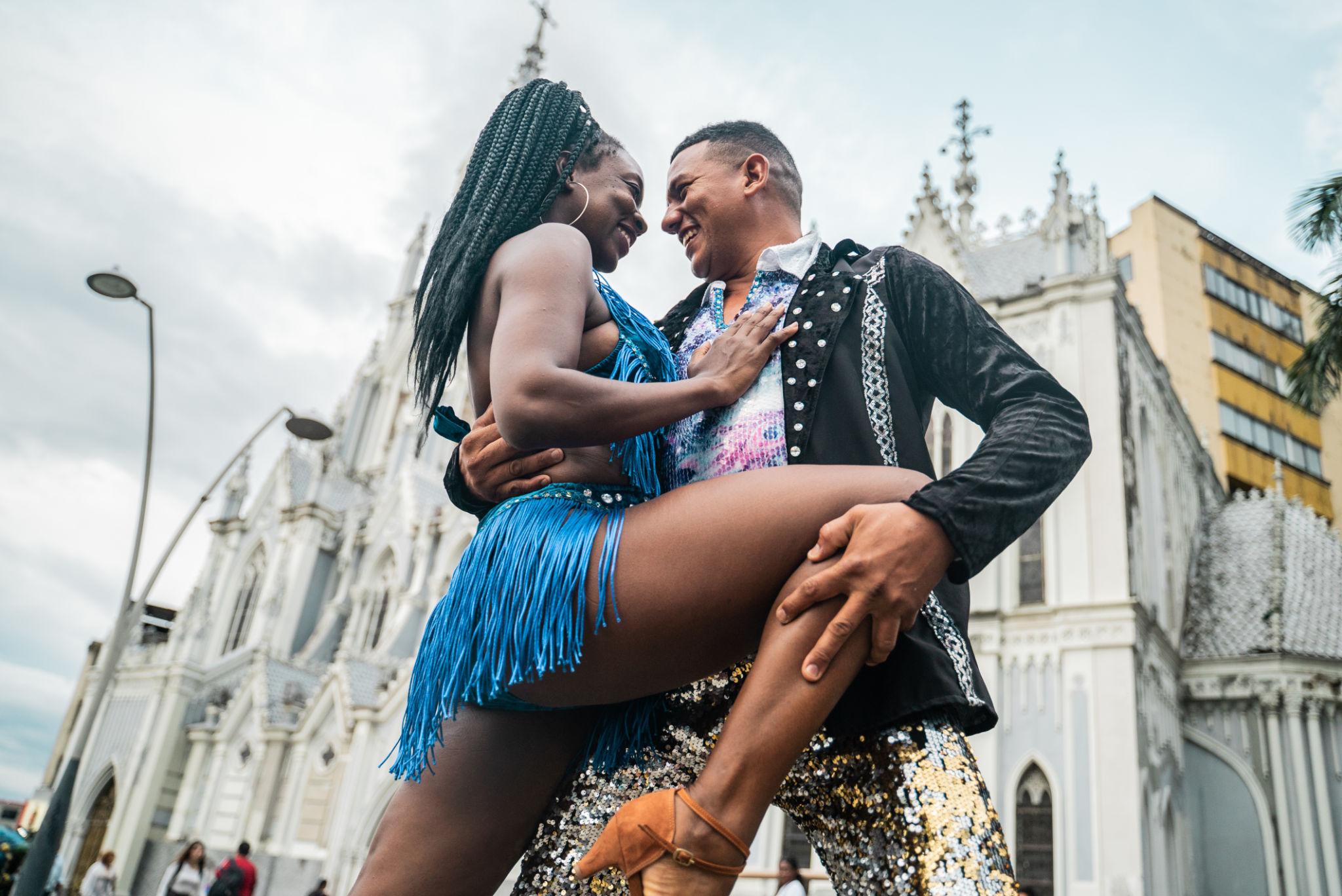
Cali, a vibrant metropolis nestled in Colombia’s southwestern Valle del Cauca region, proudly holds the title of the World’s Salsa Capital. This designation is not merely a slogan; it reflects a profound cultural devotion to salsa dance that permeates every aspect of city life. For foreigners seeking an authentic, intense salsa immersion, Cali offers an unparalleled experience. The city’s unique Caleño salsa style, its dedicated salsatecas, and its sheer passion for the dance make it a pilgrimage site for dancers worldwide.
Embracing the Unique Caleño Salsa Style and Salsateca Culture
Cali’s salsa style, known as Caleño style, is distinct from other Colombian or Cuban variations. It is characterized by its incredibly fast footwork, complex turns, and a dazzling display of agility. Unlike some other styles that emphasize close embraces, Caleño salsa often features more open body positions, allowing for rapid spins and intricate patterns. The emphasis is on speed, precision, and a playful, energetic connection between partners. Learning this style requires dedication, excellent musicality, and a willingness to push your physical limits.
The salsateca culture in Cali is legendary. These are not just nightclubs; they are temples of salsa, where people dance with an intensity and skill that is breathtaking to witness. From the moment the music starts, the dance floor comes alive, and it rarely stops. For foreigners, diving into this culture means embracing the local rhythm, observing the dancers, and gradually participating. Many salsatecas have specific nights dedicated to different salsa styles or skill levels, providing entry points for newcomers. Venues like Zaperoco, La Macarena, and Trilogía are iconic establishments where you can enjoy the authentic Caleño salsa experience. Expect a passionate, sometimes fiercely competitive, but always exhilarating environment.
Premier Dance Schools for Learning Authentic Caleño Salsa
To truly master the Caleño salsa style, enrolling in a specialized dance school in Cali is essential. These institutions are dedicated to preserving and teaching the unique techniques that define the city’s dance identity. They cater specifically to foreigners looking for an authentic learning experience, often providing classes in both salsa and bachata, though the primary focus remains on Caleño salsa.
Schools like SalsaDirecto Cali are highly recommended for their focus on technique and musicality, offering programs that break down the complex footwork and styling specific to the Caleño style. Amor de mis Amores is another well-regarded academy known for its passionate instructors and immersive approach. For those seeking intensive learning, many schools offer multi-week programs or private lessons that allow for a deep dive into the nuances of the dance. Some schools may even offer Spanish language integration within their classes, further enhancing the cultural immersion. While truly free formal instruction is rare, many schools offer introductory sessions or discounts for longer commitments. The investment in qualified instruction in Cali is crucial for appreciating and executing the authentic Caleño salsa experience.
Beyond Caleño Salsa: Exploring Porro and Pacific Rhythms
While Cali is synonymous with salsa, its rich cultural heritage extends to other captivating dance forms. For a broader understanding of Colombian rhythms, exploring styles like Porro and traditional Pacific dances is highly recommended. Porro is a festive, energetic dance originating from the Caribbean coast but widely enjoyed across Colombia. It’s characterized by its lively partner work, often performed with a handkerchief, and its joyful, celebratory spirit. Some dance schools in Cali might offer workshops or introductory classes in Porro, especially during cultural festivals or special events.
The Pacific coast of Colombia boasts a unique and vibrant dance tradition, deeply influenced by Afro-Colombian culture. Dances like the Currulao, Jota Chocoana, and Abozao are characterized by their syncopated rhythms, expressive movements, and strong connection to ancestral heritage. While these styles are less common in mainstream salsa studios, seeking out cultural centers, community workshops, or specific events focused on traditional Colombian folklore can provide opportunities to experience them. Engaging with these diverse rhythms offers a more complete picture of Colombia’s incredibly rich and varied dance landscape, allowing you to enjoy a wider spectrum of its musical soul.
Iconic Salsatecas and Social Dancing Experiences in Cali
Immersing yourself in Cali’s salsateca culture is paramount to truly understanding the city’s dance heartbeat. These are the arenas where the fast-paced Caleño salsa is lived and breathed every night. For foreigners, visiting these iconic venues is an essential part of the experience, offering a chance to witness the highest level of local talent and to participate in the vibrant social scene.
La Macarena is perhaps the most famous salsateca in Cali, known for its energetic atmosphere and discerning crowd. Here, you’ll see dancers performing at an incredibly high level. Zaperoco offers a slightly more laid-back vibe but is still a hub for serious salsa enthusiasts. Trilogía is another popular spot, often hosting a mix of salsa and bachata, appealing to a broader audience. Tin Tin Deo provides a more intimate setting, perfect for enjoying live music and soaking in the ambiance.
When attending these venues, remember that dancing is the primary activity. Be prepared for crowded dance floors, especially on weekends. It’s customary to ask people to dance, and politeness is key. While formal classes are crucial for learning the technique, these social events are where you solidify your skills, learn new styling from observing others, and truly enjoy the communal spirit of salsa in its birthplace. Many salsatecas have an entry fee, but this is generally minimal and contributes to the vibrant nightlife and music scene.
Navigating Cali’s Intense Dance Scene as a Foreigner
Cali’s dance scene is intense, passionate, and deeply ingrained in the local identity, which can be both exhilarating and a little intimidating for foreigners. To navigate it successfully and enjoy your experience, several key considerations are important. Firstly, embracing the local pace is crucial. Caleño salsa is fast, and while you’ll learn this in classes, the social scene reflects this speed. Don’t be discouraged if you can’t keep up initially; focus on enjoying the music and the connection.
Learning some basic Spanish is highly beneficial. While some instructors may speak English, conversations on the dance floor or in salsatecas will likely be in Spanish. Phrases like “Quieres bailar?” (Do you want to dance?), “Gracias” (Thank you), and “Otra vez?” (Again?) will be invaluable. Regarding accommodations, areas like Granada or near the Poblado equivalent, San Fernando Viejo, offer convenient access to many dance venues and schools.
Safety is paramount. While Cali is generally welcoming, exercise caution, especially at night. Stick to well-lit areas, use reputable taxis or ride-sharing services, and be mindful of your belongings in crowded venues. Many schools offer packages that might include accommodations and classes, which can be a convenient way to start. Remember that the goal is to immerse yourself, learn, and have fun. Don’t be afraid to make mistakes; Colombians are generally very forgiving and appreciative of foreigners’ efforts to embrace their culture. Embrace the intensity, be patient with yourself, and most importantly, enjoy the unparalleled rhythm of Cali.
Cartagena: Caribbean Rhythms by the Sea
Cartagena de Indias, a jewel on Colombia’s Caribbean coast, offers a dramatically different yet equally captivating dance experience. Where Medellín provides a modern, urban rhythm and Cali pulsates with pure salsa intensity, Cartagena embraces a more relaxed, tropical vibe. The air here is thick with humidity, history, and the infectious beats of Caribbean music. For foreigners, Cartagena presents a unique blend of historical charm, stunning coastal scenery, and a diverse array of dance styles that invite you to move to a sun-drenched rhythm. The city is a major tourist destination, with Cartagena Airport achieving a historic mobilization of 1,671,204 foreign citizens in 2024, a testament to its international appeal.
The Coastal Dance Vibe: Salsa, Bachata, Merengue, and Champeta
Cartagena’s dance scene is a vibrant fusion of Colombian and Caribbean influences, creating a unique, upbeat soundscape. While salsa and bachata are certainly present and enjoyed, the coastal city truly shines with its own distinct rhythms. Merengue, a fast-paced, infectious dance from the Dominican Republic, is incredibly popular and easy to pick up, often dominating dance floors with its lively steps.
However, the true heartbeat of Cartagena’s street dance is champeta. This genre, born from African rhythms and a melting pot of Caribbean influences, is characterized by its fast, percussive beats and highly energetic, often sensual, dance moves. Learning or even just experiencing champeta is a quintessential Cartagena experience. Many local instructors and dance classes will incorporate these styles, offering a refreshing alternative or complement to the more widely known Latin dances. Expect a more fluid, expressive, and less structured approach to dancing here, perfectly suited to the laid-back, festive atmosphere of the coast. You’ll find yourself swaying to the sea breeze as much as to the music.

Dance Schools Offering a Tropical and Relaxed Experience
While Cartagena may not have the sheer volume of dedicated dance schools as Medellín or Cali, it offers a more relaxed and integrated approach to learning. The schools here often reflect the city’s coastal charm, providing a more laid-back atmosphere for foreigners to enjoy their dance classes. Many instructors are either locals who have honed their skills in salsa, bachata, and merengue, or they are expats who have fallen in love with the city and its rhythms.
You can find excellent salsa and bachata classes throughout the historic Walled City and the Getsemaní neighborhood. Look for schools that emphasize the fun and social aspects of dancing, as this aligns with Cartagena’s general vibe. Some smaller studios might not have extensive websites but are easily found through local recommendations or by inquiring at hostels and cultural centers. Cartagena’s museum network, Puerto de Culturas, recorded a 7.6% increase in visitors in 2024, indicating a growing interest in cultural tourism, which naturally extends to dance.
For those seeking an authentic champeta experience, you might find informal workshops or classes offered by local artists, often advertised through social media or local event listings. Don’t expect highly structured, multi-week programs as you might find elsewhere; instead, anticipate more flexible, drop-in style classes that allow you to dip your toes into the local dance culture. The key in Cartagena is to be open, flexible, and ready to embrace the spontaneous joy of dancing by the Caribbean Sea.
Social Dancing and Beachfront Parties: Unique Dance Experiences
Cartagena truly shines when it comes to unique social dancing experiences, heavily influenced by its stunning coastal setting. Beyond the traditional salsatecas, the city offers opportunities to dance with the sea breeze as your soundtrack. Beachfront parties and events are a common occurrence, especially on weekends and during festive seasons. Imagine learning bachata steps with the sunset painting the sky in vibrant hues, or moving to merengue rhythms with sand between your toes.
Many beach clubs and restaurants along Bocagrande or further out towards Playa Blanca organize events that feature live music or DJs spinning a mix of salsa, bachata, merengue, and champeta. These are fantastic opportunities to practice what you’ve learned in classes in a relaxed, festive environment. Getsemaní, known for its vibrant street art and lively nightlife, also hosts numerous bars and plazas where impromptu dancing often breaks out.
For a truly memorable experience, consider a boat party or a trip to the nearby Rosario Islands, where music and dancing are often central to the celebration. While formal free dance classes are rare, these social gatherings often have little to no cover charge, making them accessible ways to enjoy the local dance culture. Be prepared for a more casual atmosphere than in the mainland cities; the focus is on fun, connection, and embracing the tropical spirit.
Foreigner’s Guide to Dancing in Cartagena’s Historic Charm
Dancing in Cartagena offers a magical blend of rhythmic movement and historical ambiance. The city’s UNESCO World Heritage Walled City and the bohemian Getsemaní neighborhood provide stunning backdrops for your dance journey. For foreigners, the key to navigating this experience is to embrace the city’s unique pace and rhythms. While formal salsa and bachata classes are available, also be open to the influence of merengue and the electrifying champeta.
When seeking accommodations, staying within or near the Walled City or in Getsemaní will place you at the heart of the action, with easy access to dance studios, bars, and social events. Transportation within these central areas is best done on foot, allowing you to soak in the colonial architecture. For longer distances or late-night travel, use official taxis or reputable ride-sharing apps.
As in other Colombian cities, a few Spanish phrases will go a long way. While tourist areas have English speakers, genuine connection often flourishes with a little linguistic effort. Be prepared for the heat and humidity; stay hydrated and wear light, breathable clothing, especially for dance classes. Social dancing opportunities are abundant, from lively plazas to beachfront gatherings. Don’t be afraid to jump in and enjoy the infectious energy. While free instruction is not common, the cost of classes and social events is generally affordable, making it an accessible experience for most travelers. Cartagena’s charm lies in its ability to weave dance into the very fabric of its historic streets and sunny shores, offering a truly unforgettable way to enjoy Colombia.
Bogota: The Diverse Cultural Capital of Dance
Bogotá, Colombia’s sprawling, high-altitude capital, presents a distinctly different yet equally compelling dance landscape. As a major cultural and economic hub, it draws a diverse population and boasts an eclectic mix of artistic expressions, including a rich tapestry of dance styles. For foreigners, Bogotá offers a sophisticated urban experience, with a mature dance scene that caters to a wide array of interests, from traditional ballroom to contemporary Latin styles. The city is a primary gateway for international visitors, with tourism being a significant sector; among international tourists in Bogotá, 58% primarily visit for vacations, recreation, and leisure.
A Melting Pot of Dance Styles: Salsa, Tango, Zouk, Kizomba, and Ballroom
Bogotá’s strength as a dance destination lies in its sheer diversity. While salsa remains incredibly popular, the capital city is also a significant center for tango in Colombia, offering authentic Argentine tango classes and milongas (social tango events). This distinct European flair adds another layer to the city’s dance offerings.
Beyond salsa and tango, Bogotá has a thriving community for contemporary partner dances like Zouk and Kizomba. These styles, originating from Brazil and Angola respectively, are known for their sensual connection, intricate lead-and-follow techniques, and fluid movements. Many studios offer regular classes and social nights dedicated to these genres, attracting both local enthusiasts and international visitors. Furthermore, Bogotá hosts numerous schools and clubs focused on ballroom dance styles such as waltz, foxtrot, and cha-cha-cha, appealing to a different segment of the dance community. The city’s cosmopolitan nature ensures that there’s a dance style for almost every preference, making it a unique place to enjoy a wide range of dance classes.
Top Dance Academies for Varied Interests in Bogota
Bogotá’s extensive array of dance academies caters to every level and interest. For salsa enthusiasts, schools like Salsa y Ritmo and Estilo y Sabor are highly regarded for their comprehensive programs, offering everything from beginner salsa classes to advanced performance training. These academies often employ experienced instructors who can adapt to non-native Spanish speakers.
For tango aficionados, El Firulete Tango Club is a renowned institution offering authentic Argentine tango classes, workshops, and milongas. It’s a place where you can immerse yourself in the passionate world of tango. Those interested in Zouk and Kizomba will find dedicated studios such as Kizomba Bogotá or classes offered within larger dance centers that focus on these specific styles. The sheer number of options means that finding a program that suits your skill level, learning style, and schedule is highly achievable. While free introductory classes might be less common than in other cities, many academies offer trial classes or package deals for multiple lessons, providing good value for the diverse dance experiences available.
Bogota’s Eclectic Social Dance Scene and Nightlife
Bogotá’s social dance scene is as varied as its dance styles. The city offers a multitude of venues where you can practice your moves and enjoy the vibrant nightlife. For salsa, popular spots include Theatron, a massive club with multiple rooms playing different genres, including dedicated salsa floors, and smaller, more intimate venues like Kandela which often feature live music.
The tango scene in Bogotá is centered around traditional milongas. El Firulete hosts regular milongas where dancers gather to practice the art of tango in a more formal setting. For Zouk and Kizomba, social nights are often held in studios or specific bars that dedicate evenings to these genres. These events are crucial for foreigners to connect with the local dance community, meet instructors, and gain real-world practice outside of structured classes.
The event scene in Bogotá is also quite active, with frequent dance festivals, workshops, and performances throughout the year. Keeping an eye on local listings and dance community pages on social media is essential for discovering these opportunities. While some events might have an entrance fee, they offer an invaluable chance to witness talented dancers, learn from international artists, and fully immerse yourself in the city’s dynamic dance culture.

Tips for Foreign Dancers in Bogota’s High-Altitude Rhythm
Dancing in Bogotá comes with a unique set of considerations, primarily due to its high altitude (approximately 2,640 meters or 8,660 feet above sea level). This can affect physical stamina, so foreigners should be prepared for a potentially slower acclimatization period. Start with shorter classes or less intense styles initially, and stay well-hydrated.
Regarding accommodations, neighborhoods like Chapinero, Usaquén, and Zona T (Rosa) offer a good balance of safety, amenities, and proximity to many dance schools and nightlife. Chapinero, in particular, is known for its diverse population and accessibility to various cultural events. Public transportation, including the TransMilenio bus system, is extensive, though it can be crowded. For safety, especially at night, using taxis or ride-sharing apps is advisable.
While Spanish is essential for deeper immersion, many dance schools in Bogotá are accustomed to international students and offer bilingual instruction or patient instructors who can communicate effectively. Embrace the opportunity to learn, as Spanish proficiency significantly enhances your experience and ability to navigate social dance scenes. Unlike some other cities, Bogotá might have fewer free introductory classes, but the quality and variety of paid classes and social events make it a worthwhile destination for serious dancers. Be patient, listen to your body at altitude, and enjoy the sophisticated, diverse dance rhythm of Colombia’s capital.
Choosing Your Perfect Dance Journey: A Foreigner’s Guide
Selecting the right dance journey in Colombia is a pivotal step towards an enriching and successful experience. With diverse cities, varying styles, and multiple learning structures, a thoughtful approach ensures you find the perfect fit for your goals and preferences. This section guides you through assessing your needs and understanding the options available, helping you make an informed decision that maximizes your enjoyment and learning.
Assessing Your Skill Level and Goals: From Beginner to Advanced Performance
The first step in choosing your dance journey is a realistic assessment of your current skill level and your ultimate goals. Are you a complete beginner with no prior dance experience, looking to learn basic salsa steps and enjoy social dancing? Or are you an intermediate dancer aiming to refine specific techniques, learn complex turns, or explore advanced styling in bachata or tango? Perhaps you aspire to perform or compete, requiring intensive, structured training.
For beginners, most schools in Medellín, Cali, Cartagena, and Bogotá offer introductory classes and foundational courses. The focus here is on building a solid understanding of rhythm, basic steps, and partner connection. For those with some experience, intermediate and advanced classes will challenge you with more intricate choreography, faster tempos, and specialized styling. If performance is your goal, look for schools that have performance teams or offer choreographic workshops. Understanding your objective—whether it’s casual social dancing, cultural immersion, or skill mastery—will help narrow down the best schools and programs for you.
Group Classes vs. Private Lessons: Tailoring Your Learning Experience
The choice between group classes and private lessons significantly impacts your learning trajectory and experience. Group classes are generally more affordable and offer a social environment where you can learn alongside others, practice with various partners, and enjoy the camaraderie of a shared learning journey. They are excellent for beginners seeking a foundational understanding and for social dancers wanting to maintain their skills. Schools across all cities offer a multitude of group classes catering to different styles and levels.
Private lessons, on the other hand, provide a highly personalized learning experience. An instructor can focus entirely on your specific needs, identify and correct your weaknesses, and tailor the pace and content to your individual goals. This is ideal for advanced dancers looking to perfect techniques, individuals with very specific learning requirements, or those on a tight schedule who want to maximize their learning efficiency. While more expensive, private lessons can accelerate progress dramatically and offer deeper insights into the nuances of dance. Many schools in Medellín, Cali, and Bogotá offer private lessons as an add-on to group packages or as standalone options. Consider a blend of both: group classes for social interaction and foundational learning, supplemented by private lessons for targeted improvement.
Understanding Program Structures: Short Courses, Intensive Workshops, or Full Immersion
Dance programs in Colombia vary in structure, from short, introductory courses to extended, full-immersion experiences. Short courses, often lasting a few days or a week, are perfect for travelers with limited time who want to get a taste of Colombian dance culture. These typically cover the basics of salsa or bachata and might include a social dance event.
Intensive workshops, usually spanning one to four weeks, offer a more in-depth learning experience. These programs often involve daily classes, practice sessions, and opportunities to enjoy social dancing and cultural activities. They are ideal for those who want to make significant progress in a concentrated period. Full immersion programs, which can last several months or even longer, are designed for serious dancers or individuals seeking a profound cultural and linguistic experience. These often combine extensive dance classes, Spanish language instruction, and integrated accommodations, providing a holistic approach to living and dancing in Colombia.
When selecting a program, consider your available time, budget, and learning goals. Many schools, especially in Medellín and Cali, offer

What Clients Say About Working With Us
Real feedback from clients who have worked with our team on Colombian visa and legal processes.
Client feedback is sourced from publicly available third-party review platforms. Individual results may vary.
“I worked with Visas by James Medellín and had an excellent experience. Once I was connected with Isabela, I felt confident I was on the right path to obtaining my visa.”
— Mathew Sickler
“The Visas by James team helped significantly with my U.S. visa, and the process went much smoother than expected. They were knowledgeable and helpful throughout.”
— Mohan Chander Narasimman
“Visas by James is the company to use for visa services. My experience was excellent, and Lorena was absolutely amazing to work with.”
— Benjamin
“The team was responsive and professional. They provided clear guidance and helped me understand the visa process from beginning to end.”
— Robert Nepon
“Very professional service. All steps were clearly explained, and they helped me avoid mistakes that could have delayed my visa.”
— Reynaldo Araujo
“Overall, a positive experience. Communication was good, and the process was explained in a way that made sense for a foreigner.”
— Justin Halladay
Important Legal Disclaimer
The information on this page is provided for general informational purposes only and does not constitute legal advice, immigration advice, or a guarantee of any specific visa outcome.
Colombian visa requirements, procedures, government fees, and internal criteria change frequently and may vary depending on your personal situation and the policies in force at the time of your application.
Always consult a qualified professional to receive advice tailored to your individual case. Reading this website does not create an attorney–client relationship with Colombia Legal & Associates SAS, Visas by James, or any member of our team.