
Colombia's Top 12 Eco-Destinations for 2026: Your Ultimate Green Travel Guide
Welcome, conscious traveler, to a journey through Colombia’s most breathtaking and ecologically vital landscapes. If you’re planning a trip for 2026 and aspire to tread lightly while experiencing the profound beauty and vibrant cultures of South America, this guide is your essential companion. We’ll unveil Colombia’s premier eco-destinations, each selected for its commitment to conservation, sustainable practices, and rich cultural heritage. You’ll discover what truly defines an “eco-destination” in the coming years, understand why Colombia is uniquely positioned to lead this movement, and gain practical insights into minimizing your environmental impact and maximizing your positive contribution. By the end of this guide, you’ll be equipped to plan an unforgettable, responsible, and deeply enriching Colombian adventure.
Welcome to the Heart of Biodiversity
Colombia is not merely a destination; it is a living testament to Earth’s extraordinary biodiversity, a global leader in conservation, and a vibrant tapestry of cultures. Nestled at the northwestern tip of South America, it uniquely bridges the mighty Andes Mountains, the vast Amazon basin, and two contrasting coastlines – the Caribbean and the Pacific. This geographical crossroads results in an astonishing array of ecosystems, from the high-altitude páramos vital for water regulation to the dense, life-filled rainforests of the Amazon. The country boasts an unparalleled number of species of birds, orchids, and amphibians, making it a global hotspot for nature enthusiasts. For travelers seeking authentic connections with nature and culture, Colombia offers an experience that is both deeply immersive and profoundly rewarding, especially when approached with an eco-conscious mindset. Its growing commitment to sustainable tourism ensures that these natural and cultural treasures are preserved for generations to come, making 2026 an ideal year to explore its wonders responsibly.

Related Topics of Interest for You:


What Defines an “Eco-Destination” for 2026?
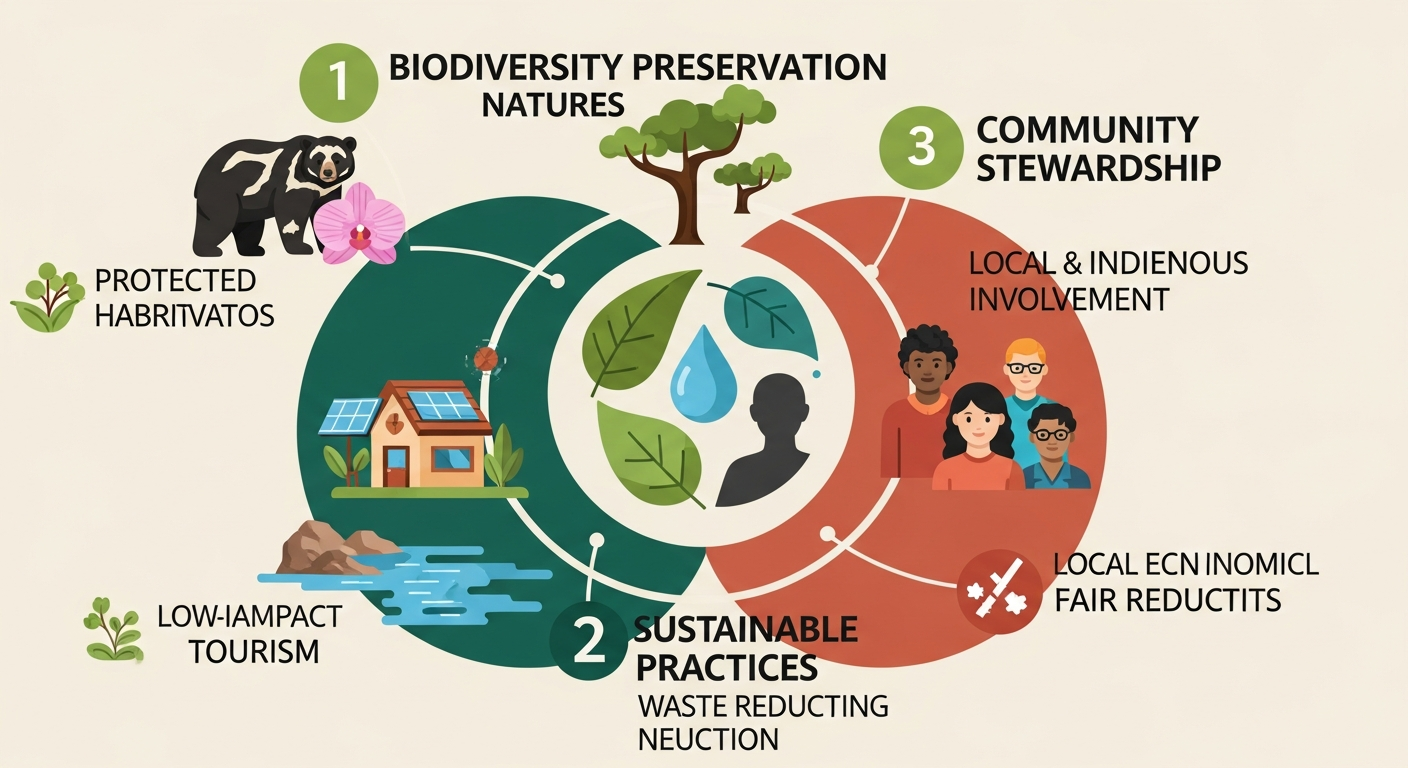
The modern eco-destination is built on three interconnected pillars: protecting biodiversity, implementing sustainable practices, and ensuring active community stewardship.
As we look towards 2026, the definition of an “eco-destination” has evolved beyond simply offering natural beauty. True eco-destinations are characterized by a robust commitment to conservation, demonstrable efforts to protect their natural and cultural heritage, and the active involvement of local and Indigenous communities in their stewardship. For 2026, this means destinations must:
- Prioritize Biodiversity Preservation: Implement strong conservation programs, manage protected areas effectively, and focus on the protection of endangered species and critical habitats. This includes safeguarding unique biomes like the páramo ecosystem, which is crucial for water regulation and carbon sequestration.
- Promote Sustainable Tourism Practices: Encourage low-impact activities, responsible waste management, and the use of renewable energy sources. This also encompasses supporting businesses that utilize sustainable materials and adopt permaculture workshops where applicable.
- Respect and Integrate Cultural Heritage: Honor and actively preserve the cultural richness and heritage of local and Indigenous communities. Eco-destinations foster genuine cultural immersion, ensuring that tourism benefits these communities directly through ethical engagement and employment.
- Educate and Engage Visitors: Provide travelers with clear information on how to minimize their environmental footprint, respect local customs, and contribute positively to the places they visit. This includes promoting an understanding of the local Colombian culture and its connection to the environment.
- Ensure Economic Viability for Conservation: Develop tourism models that provide economic incentives for protecting natural resources and cultural assets, often through initiatives like Adventure Tours that employ Indigenous guides.
Why Now is the Time for Sustainable Travel in Colombia
The timing for eco-conscious travel in Colombia is particularly opportune. Following years of rebuilding and a renewed focus on peace and sustainable development, Colombia is emerging as a beacon for responsible tourism. The country has made significant strides in conservation, expanding its network of protected areas, including many a national park, and strengthening policies to safeguard its natural treasures. Moreover, a growing global awareness of climate change and the impact of mass tourism is driving a demand for authentic, low-impact travel experiences. By choosing Colombia’s eco-destinations in 2026, travelers can actively contribute to the country’s ongoing conservation efforts, support local communities who are the custodians of these landscapes, and experience its unparalleled beauty in a way that ensures its long-term preservation. This approach aligns perfectly with the growing trend of seeking meaningful travel that prioritizes environmental and social responsibility, making Colombia an ideal choice for a South America backpacking adventure with a conscience.
Colombia’s Unrivaled Eco-Richness: Why it’s a Top Green Destination
Colombia’s exceptional ecological diversity and its growing commitment to preserving this natural wealth make it an unparalleled destination for the conscious traveler. The country’s geography is a tapestry woven with a multitude of distinct ecosystems, each harboring unique flora and fauna, and all intrinsically linked to the cultural heritage of its people. From the towering Andean peaks to the vast Amazon jungle, the country offers a biodiverse blanket that is increasingly being recognized and protected. As tourism evolves, Colombia’s dedication to sustainable practices, the preservation of its cultural heritage, and the empowerment of its Indigenous communities solidifies its position as a leading green destination for 2026.
A World of Ecosystems in One Country: From Andean Peaks to Amazon Rainforest
The sheer variety of landscapes within Colombia is astounding. The mighty Andes mountain range splits into three distinct ranges—the Eastern, Central, and Western Cordilleras—creating varied altitudes and microclimates that support everything from high-altitude páramo ecosystems, vital for water regulation, to lush cloud forests teeming with orchids and endemic birds. Further south and east, the vast Amazon basin unfolds, a sprawling Amazon Rainforest that represents one of the planet’s most critical biodiversity reservoirs. Here, the mighty Amazon River and its tributaries teem with life, and ancient forests hold untold biological secrets. Beyond these iconic regions, Colombia’s influence extends to the Caribbean coast, where pristine beaches meet vibrant coral reefs and dry tropical forests, and the Pacific coastlines, known for their rich marine life and mangrove ecosystems. This incredible ecological spectrum ensures that every eco-tourist can find a natural haven that resonates with their appreciation for the planet’s diversity.
A Commitment to Conservation and Sustainability: Protecting Flora, Fauna, and Cultural Heritage
Recognizing the immense value of its natural heritage, Colombia has made significant investments in conservation. The country boasts an extensive network of national parks and protected areas, diligently managed to preserve biodiversity and ecological processes. These protected zones are crucial for safeguarding numerous endemic species, ensuring the health of vital watersheds like those originating in the páramos, and mitigating the impacts of climate change. Beyond formal protections, there is a growing movement towards sustainable tourism practices across the nation. This includes supporting eco-lodges that operate with minimal environmental impact, promoting responsible wildlife viewing, and encouraging low-carbon transportation options. This collective effort to protect both the environment and the nation’s rich cultural heritage is central to Colombia’s appeal as a premier eco-destination. Projects often emphasize using sustainable materials and regenerating native forest areas.
The Role of Indigenous Communities in Preserving Natural Wonders
Colombia is home to over 100 Indigenous groups, each with unique languages, traditions, and a profound, ancestral connection to the land. These communities are not merely inhabitants of Colombia’s natural spaces; they are vital custodians and stewards of its biodiversity. For centuries, Indigenous peoples have practiced sustainable living, possessing invaluable traditional ecological knowledge that is crucial for conservation. In many of Colombia’s most pristine areas, such as the Sierra Nevada de Santa Marta or the Amazon jungle, Indigenous communities play a pivotal role in protecting ecosystems. Their deep understanding of local flora and fauna, traditional farming methods, and spiritual relationship with nature offer a model for sustainable coexistence. Engaging with these communities respectfully, often through Indigenous guides, is not only an enriching cultural experience but also a direct way to support conservation efforts and preserve invaluable cultural heritage.
The Top 12 Eco-Destinations for 2026: A Deep Dive into Sustainable Wonders
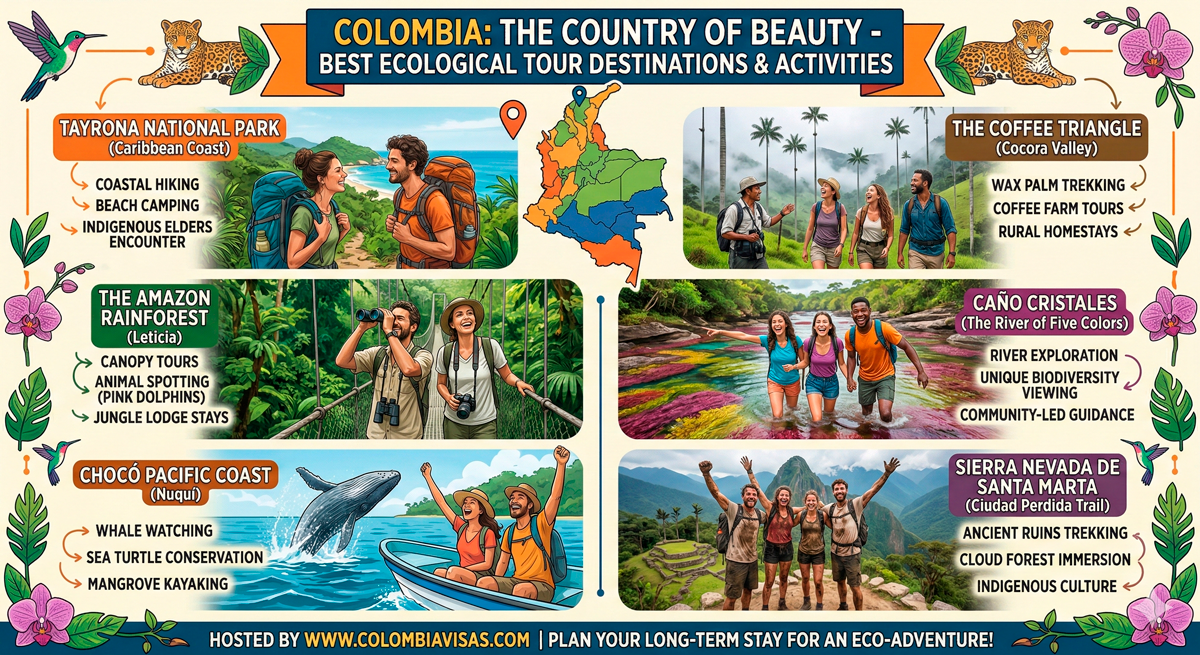
Colombia’s vast natural wealth offers a diverse range of eco-friendly experiences. From the misty peaks of the Andes to the vibrant depths of the Amazon, these twelve destinations represent the pinnacle of sustainable travel in 2026, offering unparalleled natural beauty, rich cultural encounters, and a commitment to preservation. Each location provides a unique opportunity to connect with Colombia’s extraordinary biodiversity and its deep-rooted Colombian culture.
Tayrona National Natural Park (Caribbean Coast)
Tayrona National Natural Park, located on the Caribbean coast near Santa Marta, is a jewel of ecological and archaeological significance. It safeguards a diverse coastal landscape where the rainforest meets the sea, featuring stunning beaches, mangrove ecosystems, and rocky coves. The park is home to a rich array of wildlife, including monkeys, diverse bird species, and marine life, forming part of a biodiverse blanket. Conservation efforts focus on protecting its fragile ecosystems from over-tourism, managing visitor numbers, and preserving its archaeological sites, remnants of the ancient Tayrona civilization. Responsible hiking through its trails offers breathtaking views and a chance to spot wildlife, while respecting the park’s strict environmental regulations is paramount. This national park, alongside nearby eco-lodges like Mundo Nuevo Ecolodge, exemplifies sustainable travel by prioritizing the preservation of its natural beauty and the legacy of the Tayrona civilization. Its status is a testament to the importance of protecting coastal environments.
Minca & the Sierra Nevada de Santa Marta Mountains
Nestled in the foothills of the Sierra Nevada de Santa Marta Mountains, Minca is a tranquil mountain village renowned for its cooler climate, abundant birdlife, and coffee plantations. This region is a sanctuary for biodiversity, serving as a vital buffer zone for the higher peaks of the Andean range. Eco-tourism here focuses on hiking to waterfalls, birdwatching in the dense forests, visiting organic coffee farms to learn about sustainable agriculture and coffee roasting, and staying in charming eco-lodges that emphasize sustainability using local, sustainable materials. Minca offers a peaceful escape and a chance to engage with the natural beauty of the Andes and understand local agricultural practices. Its proximity to Santa Marta makes it an accessible yet profoundly different experience from the coastal heat, showcasing the ecological richness found at higher altitudes.
Valle de Cocora & Salento (Eje Cafetero)
The Valle de Cocora, near the picturesque town of Salento in Colombia’s coffee region, the Eje Cafetero, is famous for its towering wax palms, the national tree of Colombia, set against a backdrop of rolling green hills. This region within the Andean foothills is a testament to the beauty of managed landscapes and natural preservation. Exploring the Valle de Cocora involves hiking through stunning scenery, spotting diverse bird species, and visiting traditional coffee plantations to learn about sustainable agriculture and coffee roasting. Salento itself is a charming town that embraces responsible tourism, encouraging visitors to support local artisans and businesses, embodying a vital part of the Colombian culture. The area’s conservation efforts are vital for protecting the unique páramo ecosystems above the valley, making it a prime example of how agriculture and nature can coexist sustainably. This area is often referred to as the Cocora Coffee Triangle.
The Colombian Amazon (Leticia & Surroundings)
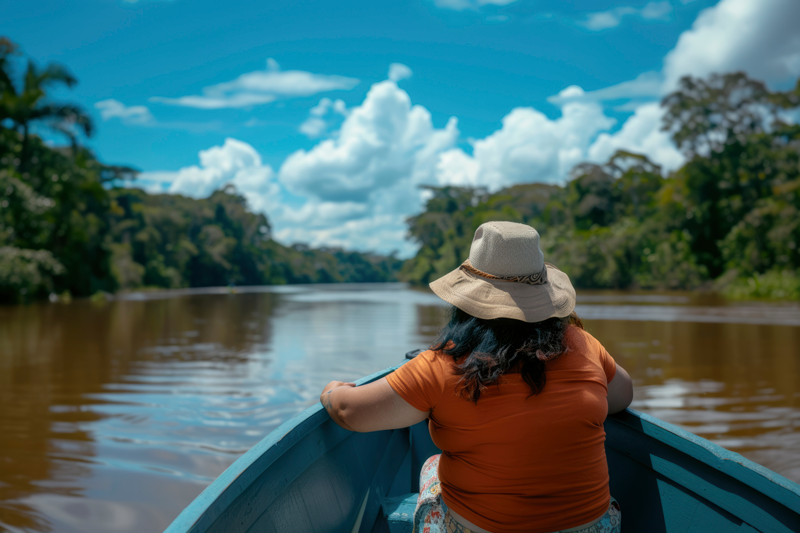
The Colombian Amazon, accessible primarily through the city of Leticia, offers an unparalleled immersion into the world’s largest Amazon Rainforest. This vast region is a global epicenter of biodiversity, home to an astonishing variety of flora and fauna, including pink river dolphins, jaguars, diverse monkey species, and countless bird species. Eco-tourism here centers on responsible river expeditions on the Amazon River, guided Amazon jungle walks with local Indigenous guides, and visiting Indigenous communities to learn about their traditional way of life and deep ecological knowledge. Visiting protected areas like Amacayacu National Natural Park is crucial. Travelers must adhere to strict guidelines to minimize their impact on this fragile ecosystem and show deep respect for the Indigenous cultures that have preserved it for millennia, making the Colombian Amazon a cornerstone of sustainable travel.
Chingaza National Natural Park (Páramo Ecosystem near Bogotá)
Chingaza National Natural Park, a protected area in the Andes near Bogotá, is a vital example of a functioning páramo ecosystem. These high-altitude wetlands are critical for regulating water cycles, supplying fresh water to millions, and acting as significant carbon sinks. The park’s landscape is characterized by rolling hills, glacial lagoons, and unique vegetation adapted to the harsh climate, including the iconic frailejon plant. Guided hiking tours are the primary way to explore Chingaza, offering opportunities to observe Andean wildlife such as spectacled bears and diverse bird species. Its preservation is paramount, and visitor access is carefully managed to protect its delicate environmental balance, underscoring the importance of national parks in water resource management.
Beyond the Classroom: Cultural Immersion in Bogotá
Bogotá offers unique immersion opportunities that can significantly boost Spanish learning. A trip up Monserrate, the iconic mountain overlooking the city, whether by funicular, cable car, or hiking trail, presents chances to practice asking for directions, discussing the views, and interacting with vendors. The Usaquén Flea Market, held every Sunday, is a fantastic place to practice bargaining and engaging in casual conversation with artisans and food vendors.
Exploring the historical center of La Candelaria involves wandering through its art-filled alleys and vibrant plazas, where impromptu conversations with street performers, shopkeepers, and residents are common. Many cafes and restaurants in this area are excellent “locales” for practicing conversational Spanish. Day trips to nearby attractions, such as the Zipaquirá Salt Cathedral, offer further opportunities to engage with tour guides and other visitors, expanding your Spanish practice into different contexts and discussions.
Tatacoa Desert (Astro-tourism & Unique Dry Forest)
The Tatacoa Desert, located in the department of Huila, presents a starkly different yet ecologically significant landscape. This semi-arid region, characterized by ochre-colored canyons and dry thorny forests, is a stark contrast to Colombia’s verdant jungles and mountains. Its low light pollution and clear skies make it an exceptional location for astro-tourism, offering spectacular stargazing opportunities. The desert is also home to unique plant and animal species adapted to arid conditions, and its geological formations tell a story millions of years old. Responsible exploration involves guided tours that highlight the desert’s unique ecosystem and paleontology, demonstrating that even seemingly barren landscapes hold immense ecological value and offer unique eco-tourism experiences.
Caño Cristales (The River of Five Colors)
Caño Cristales, located in the Serranía de la Macarena national park, is famously known as the “River of Five Colors.” Between June and November, a unique aquatic plant called Macarenia clavigera blooms, turning the riverbed into a vibrant spectacle of red, yellow, green, and blue. Access to this natural wonder is managed to protect its delicate ecosystem. Visitors typically travel to La Macarena town and then take guided tours to the river, often involving hiking and swimming in designated areas. The journey itself is an adventure, offering a glimpse into the remote beauty of Colombia’s interior, and its preservation is a priority for local authorities and communities, showcasing a rare natural phenomenon that demands mindful visitation.
Ciudad Perdida (Lost City Trek – Sierra Nevada)
The trek to Ciudad Perdida (The Lost City) is one of Colombia’s most challenging and rewarding adventures, located deep within the Sierra Nevada de Santa Marta Mountains. This ancient archaeological site, a UNESCO World Heritage Site candidate and an Indigenous ancestral land, requires a multi-day hiking expedition through dense jungle, river crossings, and steep ascents. Guided by local Indigenous guides, the trek offers an incredible journey through the diverse ecosystems of the Sierra Nevada, from humid lowlands to higher altitudes. The experience provides a profound connection to the history of the Tayrona civilization and the living culture of the Kogi and Wiwa peoples who still inhabit the region. It is a true test of endurance and a deep immersion in natural and cultural heritage, making it a paramount eco-destination.
Bahía Solano / Nuquí (Pacific Coast Eco-Adventure)
The Pacific coastlines of Colombia, particularly the regions of Bahía Solano and Nuquí, offer an unspoiled paradise for eco-travelers. This area is characterized by its incredibly biodiverse rainforests that meet the ocean, its remote beaches, and its status as a critical breeding ground for humpback whales during certain months. Activities include responsible whale watching tours, hiking through lush jungle to discover hidden waterfalls, exploring mangrove ecosystems, and immersing oneself in the vibrant Afro-Colombian culture. These destinations are committed to sustainable tourism, with many eco-lodges and local operators working to protect the delicate marine and terrestrial environments and support local communities. The Pacific region is a prime example of eco-tourism contributing directly to conservation and community well-being.
Los Nevados National Natural Park (Andean Peaks & Glaciers)
Los Nevados National Natural Park, located in the heart of the Andes, is a spectacular region of high-altitude volcanoes, glaciers, and páramo landscapes. This national park is a critical water source for the region and home to unique high-Andean flora and fauna, including the Andean condor and the spectacled bear. The park offers challenging hiking and mountaineering opportunities, leading to breathtaking views of snow-capped peaks and glacial lakes. Its conservation is vital for the Andean watershed and the preservation of unique high-altitude ecosystems. Responsible tourism here involves guided expeditions to minimize impact on the sensitive environment and respect for its imposing natural beauty, making it an essential stop for those interested in mountain environments.
San Agustín Archaeological Park (Cultural & Natural Heritage)
San Agustín Archaeological Park, a UNESCO World Heritage Site, is not only a place of immense historical and archaeological importance but also a region of significant natural beauty within the Andean landscape of southern Colombia. The park is renowned for its mysterious pre-Columbian statues, believed to have been carved by an ancient civilization. Beyond the archaeological wonders, the surrounding area offers rolling hills, fertile valleys, and opportunities for exploring the natural environment. Responsible tourism here involves respecting the archaeological sites and engaging with the local culture, appreciating how the natural setting complements the historical significance of this UNESCO World Heritage location. This site is a profound example of how cultural heritage and natural landscapes are intertwined.
Rio Claro Nature Reserve (Limestone Canyons & Biodiversity)
Rio Claro Nature Reserve, situated in Antioquia department, offers a unique ecological experience centered around its stunning limestone canyons, crystalline river, and rich biodiversity. The reserve is a haven for various bird species, including macaws, and is characterized by its striking white rock formations and the clear waters of the Rio Claro. Activities include hiking through the canyons, exploring caves, swimming in natural pools, and guided nature walks that highlight the area’s unique flora and fauna. The reserve is dedicated to conservation and eco-tourism, offering an opportunity to explore a less-visited but ecologically significant natural wonder in Colombia, often built with sustainable materials that blend into the native forest.
Planning Your Sustainable Journey: Practical Tips for Green Travelers
Embarking on an eco-conscious journey through Colombia requires thoughtful planning. By making informed choices regarding accommodation, transportation, and interactions, you can significantly minimize your environmental footprint and maximize the positive impact of your travels on local communities and ecosystems. Preparing for your trip involves understanding how to travel responsibly, from packing efficiently to choosing ethical operators.
Choosing Truly Sustainable Accommodation: Beyond “Greenwashing”
Selecting accommodation that genuinely commits to sustainability is crucial. Look for establishments that actively practice waste reduction, water and energy conservation, and source local, organic products. Many eco-lodges in areas like Minca or the Colombian Amazon are built with sustainable materials and integrate seamlessly into their natural surroundings, sometimes offering permaculture workshops. Certifications from reputable eco-tourism organizations can be a good indicator, but also research specific practices. Ask about their waste management policies, energy sources (renewable is ideal), and how they support local communities. Avoid places that merely use “green” as a marketing buzzword without tangible environmental practices; this is known as “greenwashing.” For digital nomads, consider accommodations offering month-to-month payments without long lock-in contracts, allowing for more flexible and sustainable stays.
Minimizing Your Environmental Footprint While Traveling
Reducing your carbon footprint begins with your travel choices. Whenever possible, opt for ground transportation over flights, especially for shorter distances. Within cities like Bogotá or Medellín, utilize public transport, bicycle rentals, or walk. For longer journeys between eco-destinations, consider shared shuttles or buses. If flying is unavoidable, explore reputable carbon offsetting programs. Pack reusable water bottles and coffee cups to minimize single-use plastic waste. Be mindful of water and energy consumption in your accommodations, and always dispose of waste responsibly, packing out anything you can’t properly dispose of locally. Understanding your carbon footprint is the first step to actively reducing it.
Ethical Engagement with Local Communities
Respect for local cultures and traditions is fundamental to sustainable travel. Engage with Indigenous communities and local populations with humility and curiosity. Learn a few basic Spanish phrases to facilitate communication and show respect. Support local economies by purchasing handicrafts directly from artisans, eating at local restaurants, and hiring local guides, especially Indigenous guides who offer unparalleled insights. Always ask for permission before taking photographs of people. Be aware of cultural norms and dress modestly when appropriate. Remember that you are a guest in their home, and your actions can have a significant impact on their lives and traditions, contributing to the rich tapestry of Colombian culture.
Navigating Colombia Responsibly
Responsible navigation involves more than just getting from point A to point B. It means choosing tour operators who prioritize sustainability, fair labor practices, and environmental protection. For activities like hiking in national parks or exploring the Amazon jungle, opt for guides who are knowledgeable about local ecosystems and conservation efforts. Respect wildlife by maintaining a safe distance and never feeding animals. Adhere strictly to park rules and regulations, and be an advocate for conservation by educating yourself and others about the importance of preserving Colombia’s natural and cultural heritage. Choosing Adventure Tours that align with these principles is paramount. Ensure you have adequate travel insurance, such as Safety Wing, to cover any unforeseen circumstances.
Crafting Your Green Itinerary: Connecting Eco-Destinations for a Holistic Experience
Designing an itinerary that connects Colombia’s diverse eco-destinations allows for a deeper, more comprehensive understanding of its natural and cultural richness while minimizing travel impact. By strategically linking regions, you can experience a variety of ecosystems and engage with different facets of Colombian sustainability. Consider how to seamlessly transition between distinct environments, perhaps from the Caribbean coast to the Andean peaks, or from the coffee plantations to the Amazon.

Sample Eco-Itinerary: Andes to Amazon (e.g., Bogotá -> Chingaza -> Los Nevados -> Amazon)
This itinerary focuses on Colombia’s vital water sources and its most biodiverse inland region.
- Days 1-2: Bogotá & Chingaza National Natural Park: Arrive in Bogotá via El Dorado International Airport. Spend a day acclimatizing and exploring the city’s sustainable initiatives, perhaps visiting the Museo Botero. Dedicate a full day to a guided excursion to Chingaza National Natural Park, focusing on its páramo ecosystem and water conservation significance. This offers an immediate immersion into high-altitude Andean nature.
- Days 3-5: Los Nevados National Natural Park: Travel from Bogotá towards the heart of the Andes to explore Los Nevados. This segment involves significant travel time, ideally by bus or shared shuttle to minimize impact. Engage in guided hiking to appreciate the volcanic landscapes, glacial remnants, and unique high-Andean flora and fauna. This leg showcases the grandeur of Colombia’s mountain environment.
- Days 6-9: Colombian Amazon (Leticia): Fly from a nearby city to Leticia, the gateway to the Colombian Amazon. Embark on responsible river expeditions on the Amazon River, guided Amazon jungle walks with local Indigenous guides, and visit Indigenous communities. Explore protected areas like Amacayacu National Natural Park, deeply immersing yourself in the Amazon Rainforest’s unparalleled biodiversity and supporting local conservation efforts.
Sample Eco-Itinerary: Caribbean Coast & Coffee Region (e.g., Tayrona -> Minca -> Salento -> San Agustín)
This itinerary blends coastal beauty, mountain retreats, coffee culture, and ancient history, offering a diverse experience of Colombian culture and nature.
- Days 1-3: Tayrona National Park & Santa Marta: Arrive in Santa Marta, the gateway to Tayrona National Park. Spend your time exploring Tayrona National Park responsibly, focusing on its unique coastal-rainforest ecosystems and understanding the regulations for its preservation. Experience its beaches and trails with an eye towards minimal impact. Consider a stay at Mundo Nuevo Ecolodge.
- Days 4-5: Minca & Sierra Nevada de Santa Marta Mountains: Travel from Santa Marta up into the foothills of the Sierra Nevada de Santa Marta Mountains to Minca. Enjoy the cooler climate, explore coffee plantations and learn about coffee roasting, go hiking to waterfalls, and relax in an eco-lodge, appreciating the biodiversity of the Andean foothills.
- Days 6-8: Salento & Valle de Cocora (Eje Cafetero): Travel into the heart of the Eje Cafetero to Salento. Explore the iconic Valle de Cocora with its towering wax palms, hike through the stunning landscape, and visit local coffee plantations. Experience the charm of this Pueblos Patrimonio town and immerse yourself in the coffee culture that defines this region.
- Days 9-11: San Agustín Archaeological Park: Journey south to San Agustín. Explore the mystical UNESCO World Heritage Site, marveling at the ancient statues and understanding their connection to the surrounding natural beauty. Engage with the local culture and appreciate the significance of this historical treasure, demonstrating the intersection of cultural heritage and natural landscapes.
Crafting Your Own Green Itinerary
When planning your unique adventure, consider the following:
- Prioritize: Identify which ecosystems and experiences align most with your interests and sustainability goals. Do you want to focus on the Amazon jungle, the Andean peaks, or the Caribbean coast?
- Logistics: Research travel times and routes between destinations. Colombia’s geography can make travel challenging, so be realistic. Opt for efficient, low-impact transport where possible, minimizing your carbon footprint.
- Pace Yourself: Allow ample time at each destination to truly appreciate it and minimize rushed travel. This is key to sustainable travel.
- Local Guides: Employing local guides, especially Indigenous guides in regions like the Amazon or Ciudad Perdida, not only enriches your experience with invaluable cultural insights but also provides direct economic benefit and supports local knowledge.
- Flexibility: Be prepared for unexpected changes, especially when traveling in more remote areas. Embrace the serendipity of travel.
- Budget for Sustainability: Sometimes, the most sustainable options might have a slightly higher upfront cost, but they offer greater value in terms of environmental and social impact. Consider this when budgeting for accommodation and tours.
Conclusion: Your Role in Colombia’s Green Future
As you prepare to embark on your eco-adventure in Colombia, remember that you are more than just a visitor; you are an active participant in the country’s journey towards a sustainable future. The twelve eco-destinations highlighted in this guide—from the biodiverse Colombian Amazon and the majestic Andean peaks to the vibrant Caribbean coast and the pristine Pacific coastlines—offer profound opportunities to connect with nature and culture in ways that are both enriching and responsible. By choosing to travel sustainably, you contribute directly to the preservation of these invaluable landscapes, support the livelihoods of local and Indigenous communities who are the guardians of these environments, and help secure Colombia’s unique ecological and cultural heritage for generations to come. Your commitment to eco-tourism, from minimizing your carbon footprint to supporting local economies, makes a tangible difference.
What’s Next?
Having explored Colombia’s top eco-destinations and the principles of sustainable travel, your next steps are to translate this knowledge into action. Begin by researching specific eco-lodges and tour operators in your chosen destinations, verifying their sustainability claims and community engagement practices. Refine your chosen sample itinerary or begin crafting your personalized green journey, considering the logistical connections between the Andes, the Amazon jungle, and the coasts. Pack thoughtfully, prioritizing reusable items and eco-friendly toiletries for your packing list. Familiarize yourself with basic Spanish phrases and local customs for respectful interaction, perhaps even exploring resources like “Colombia Music 101” to deepen your understanding of the local culture. Finally, commit to being a mindful traveler – tread lightly, respect the environment, engage with communities authentically, and become an advocate for the preservation of Colombia’s extraordinary natural and cultural wealth. Your adventure awaits!

What Clients Say About Working With Us
Real feedback from clients who have worked with our team on Colombian visa and legal processes.
Client feedback is sourced from publicly available third-party review platforms. Individual results may vary.
“I worked with Visas by James Medellín and had an excellent experience. Once I was connected with Isabela, I felt confident I was on the right path to obtaining my visa.”
— Mathew Sickler
“The Visas by James team helped significantly with my U.S. visa, and the process went much smoother than expected. They were knowledgeable and helpful throughout.”
— Mohan Chander Narasimman
“Visas by James is the company to use for visa services. My experience was excellent, and Lorena was absolutely amazing to work with.”
— Benjamin
“The team was responsive and professional. They provided clear guidance and helped me understand the visa process from beginning to end.”
— Robert Nepon
“Very professional service. All steps were clearly explained, and they helped me avoid mistakes that could have delayed my visa.”
— Reynaldo Araujo
“Overall, a positive experience. Communication was good, and the process was explained in a way that made sense for a foreigner.”
— Justin Halladay
Important Legal Disclaimer
The information on this page is provided for general informational purposes only and does not constitute legal advice, immigration advice, or a guarantee of any specific visa outcome.
Colombian visa requirements, procedures, government fees, and internal criteria change frequently and may vary depending on your personal situation and the policies in force at the time of your application.
Always consult a qualified professional to receive advice tailored to your individual case. Reading this website does not create an attorney–client relationship with Colombia Legal & Associates SAS, Visas by James, or any member of our team.